
 Dermal Fillers

SAYPHA references stocked by ALLPARA for professional use, sourced direct and certified on every shipment.

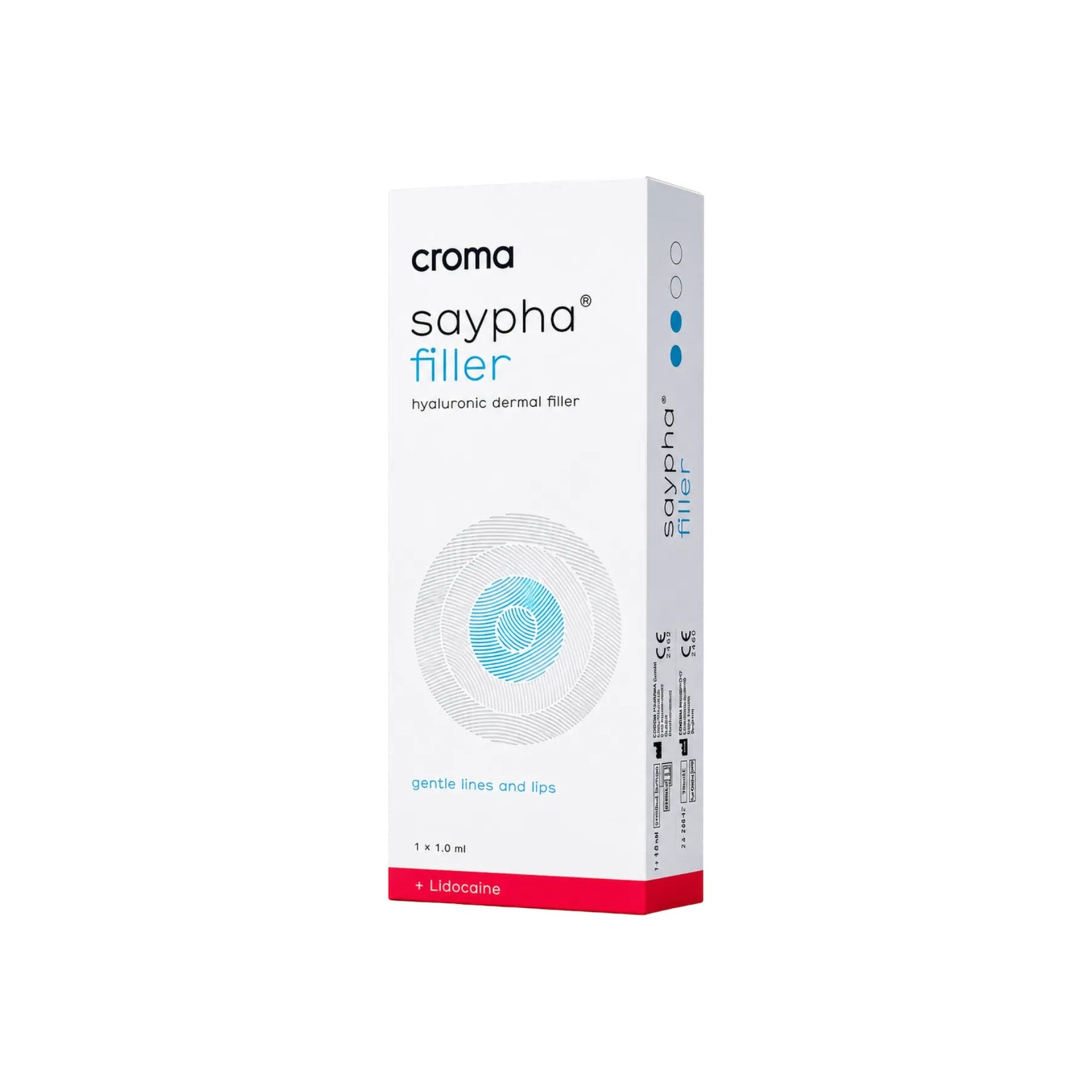
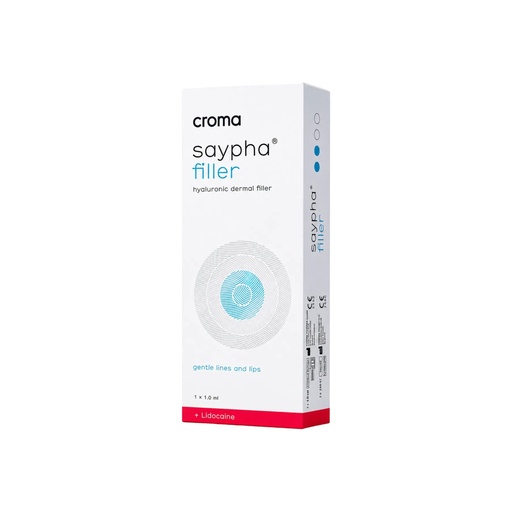
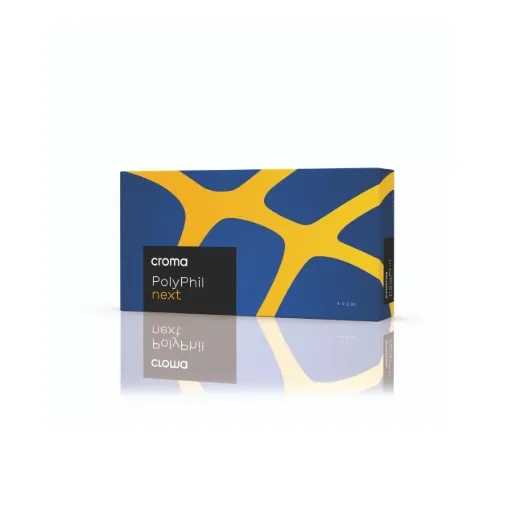
Saypha Filler Lidocaine is a viscoelastic implant from Croma-Pharma in Austria, developed to correct moderate to severe nasolabial folds and for lip augmentation. It is suitable for practitioners and must be placed in the mid to deep dermis or submucosa. Its cross-linked hyaluronic acid, obtained from Streptococcus equi bacteria, is supplemented with lidocaine hydrochloride and phosphate-buffered at pH 6.7 to 7.3, giving 2.3% sodium hyaluronate (equivalent to 23 mg/mL) with lidocaine HCl 0.3%, for professional use. Each box contains one pre-filled 1.0 mL syringe with two 27G 1/2 inch needles, three patient record labels and an international implant card.
Saypha Filler Lidocaine is intended for an appropriately trained healthcare professional who is qualified or accredited in accordance with national law, and is not intended to be used by lay persons. It is injected into the mid to deep dermis or submucosa. For healthy adults the maximum total dose of lidocaine hydrochloride should not exceed 300 mg, or 4.5 mg per kg body weight, whichever is less, per session; where other forms of lidocaine are used concurrently, whether topical or injected, the maximum total dose must be considered, and the concomitant use of other local anaesthetics or agents structurally related to amide-type anaesthetics should also be taken into account since systemic toxicity may be additive. Patients should avoid strenuous exercise and exposure to extensive sun or heat in the first 48 hours after injection.
For adults 18 years of age or older, assessed as suitable by the treating practitioner. It must not be used in those who tend to develop hypertrophic scars, have pigment disorders or a susceptibility to keloid formation, since treatment may trigger these complications. It must not be used in those known to be hypersensitive to hyaluronic acid, gram-positive bacterial proteins, lidocaine hydrochloride or amide-type local anaesthetics, since treatment may trigger allergic reactions of varying severity. It must not be used in pregnant or breast-feeding women, or in individuals younger than 18 years of age.
Saypha Filler Lidocaine works through cross-linked hyaluronic acid at 23 mg/mL, placed in the mid to deep dermis or the lip submucosa, where it adds volume to correct folds and augment the lip. The gel is cross-linked to a mean degree of 0.5 to 1.0% with a typical particle size of approximately 316 micrometres, and the BDDE cross-linking agent is present at 2 ppm or less. The lidocaine hydrochloride at 0.3% is integrated into the implant in an ancillary role to reduce pain and discomfort caused by the injection. It does not change how the gel behaves in tissue.
Allpara offers genuine, verified SAYPHA products from vetted suppliers, with full batch-traceability and expert support. We serve clinics and aesthetic professionals with CE-certified products, fast EU-wide delivery from our EU warehouse, and competitive trade pricing. Our focus is your patients' safety, satisfaction and results - with dedicated after-sales support for your peace of mind.
The gel concentration is the same at 23 mg/mL. This reference adds lidocaine hydrochloride 0.3% for injection comfort, and is indicated for nasolabial folds and lip augmentation with placement in the mid to deep dermis or submucosa. Where lidocaine is contraindicated, the plain Saypha Filler is the one to order.
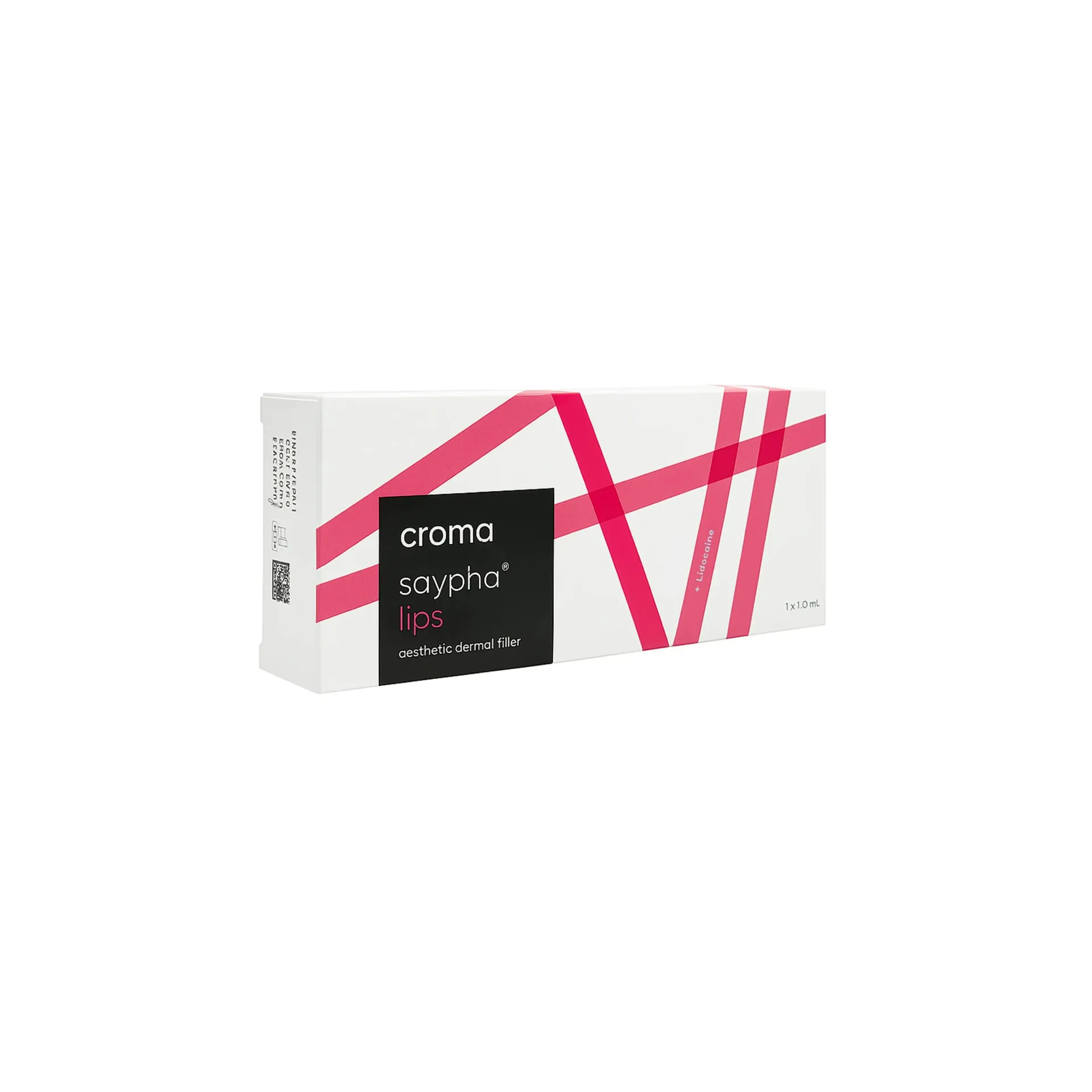
Both carry 2.3% sodium hyaluronate with lidocaine 0.3% and share the same registered indication and placement. Saypha Lips Lidocaine additionally documents a cannula option, a 25G x 2 inch or 22G x 2 3/4 inch cannula in place of the needle.
SAYPHA references stocked by ALLPARA for professional use, sourced direct and certified on every shipment.

POLYPHIL references stocked by ALLPARA for professional use, sourced direct and certified on every shipment.
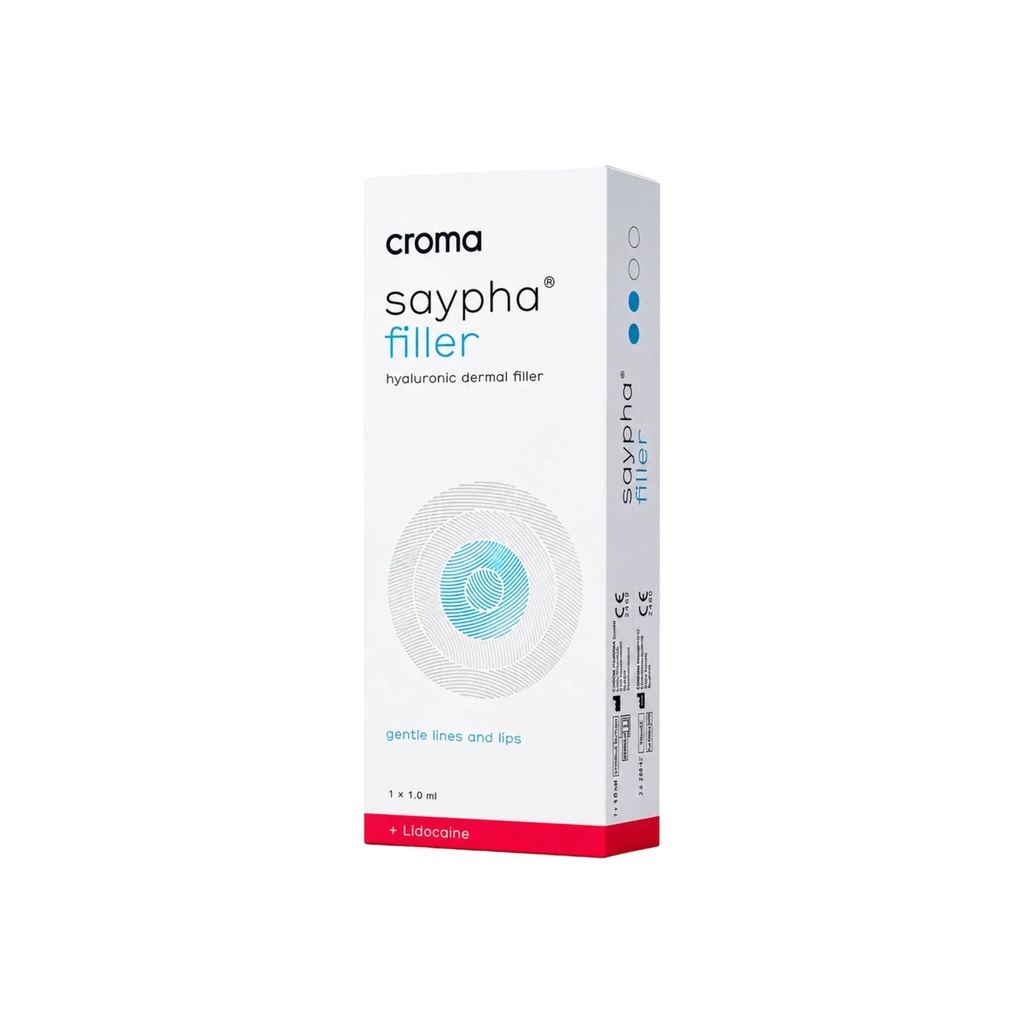
Saypha Filler Lidocaine is a viscoelastic implant from Croma-Pharma in Austria, developed to correct moderate to severe nasolabial folds and for lip augmentation. It is suitable for practitioners and must be placed in the mid to deep dermis or submucosa. Its cross-linked hyaluronic acid, obtained from Streptococcus equi bacteria, is supplemented with lidocaine hydrochloride and phosphate-buffered at pH 6.7 to 7.3, giving 2.3% sodium hyaluronate (equivalent to 23 mg/mL) with lidocaine HCl 0.3%, for professional use. Each box contains one pre-filled 1.0 mL syringe with two 27G 1/2 inch needles, three patient record labels and an international implant card.
Saypha Filler Lidocaine is intended for an appropriately trained healthcare professional who is qualified or accredited in accordance with national law, and is not intended to be used by lay persons. It is injected into the mid to deep dermis or submucosa. For healthy adults the maximum total dose of lidocaine hydrochloride should not exceed 300 mg, or 4.5 mg per kg body weight, whichever is less, per session; where other forms of lidocaine are used concurrently, whether topical or injected, the maximum total dose must be considered, and the concomitant use of other local anaesthetics or agents structurally related to amide-type anaesthetics should also be taken into account since systemic toxicity may be additive. Patients should avoid strenuous exercise and exposure to extensive sun or heat in the first 48 hours after injection.
For adults 18 years of age or older, assessed as suitable by the treating practitioner. It must not be used in those who tend to develop hypertrophic scars, have pigment disorders or a susceptibility to keloid formation, since treatment may trigger these complications. It must not be used in those known to be hypersensitive to hyaluronic acid, gram-positive bacterial proteins, lidocaine hydrochloride or amide-type local anaesthetics, since treatment may trigger allergic reactions of varying severity. It must not be used in pregnant or breast-feeding women, or in individuals younger than 18 years of age.
Saypha Filler Lidocaine works through cross-linked hyaluronic acid at 23 mg/mL, placed in the mid to deep dermis or the lip submucosa, where it adds volume to correct folds and augment the lip. The gel is cross-linked to a mean degree of 0.5 to 1.0% with a typical particle size of approximately 316 micrometres, and the BDDE cross-linking agent is present at 2 ppm or less. The lidocaine hydrochloride at 0.3% is integrated into the implant in an ancillary role to reduce pain and discomfort caused by the injection. It does not change how the gel behaves in tissue.
Allpara offers genuine, verified SAYPHA products with full batch-traceability, CE-certified stock, fast EU-wide delivery and expert after-sales support.
The gel concentration is the same at 23 mg/mL. This reference adds lidocaine hydrochloride 0.3% for injection comfort, and is indicated for nasolabial folds and lip augmentation with placement in the mid to deep dermis or submucosa. Where lidocaine is contraindicated, the plain Saypha Filler is the one to order.
Both carry 2.3% sodium hyaluronate with lidocaine 0.3% and share the same registered indication and placement. Saypha Lips Lidocaine additionally documents a cannula option, a 25G x 2 inch or 22G x 2 3/4 inch cannula in place of the needle.
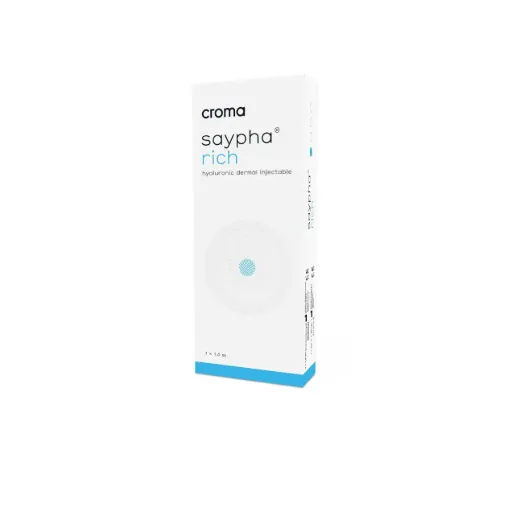
 Skin Boosters
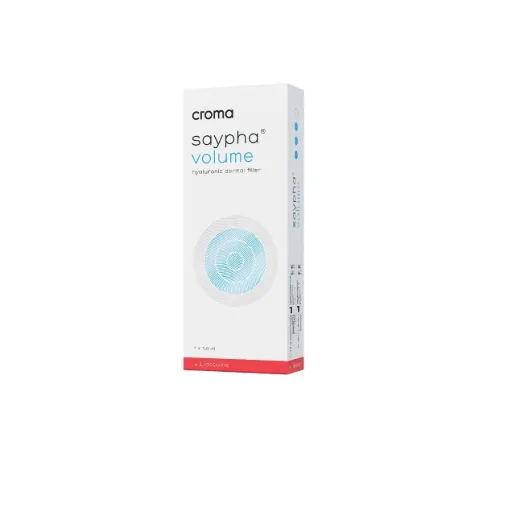
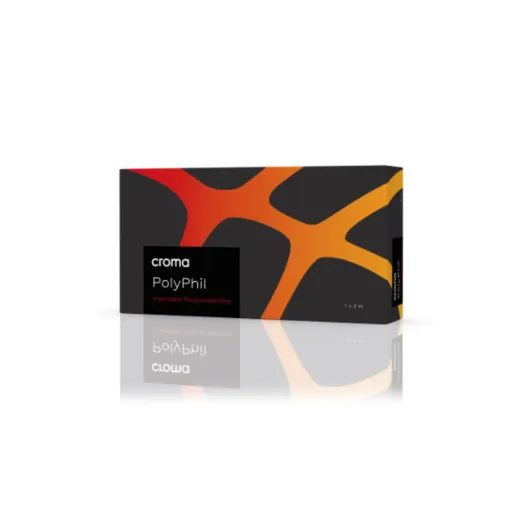
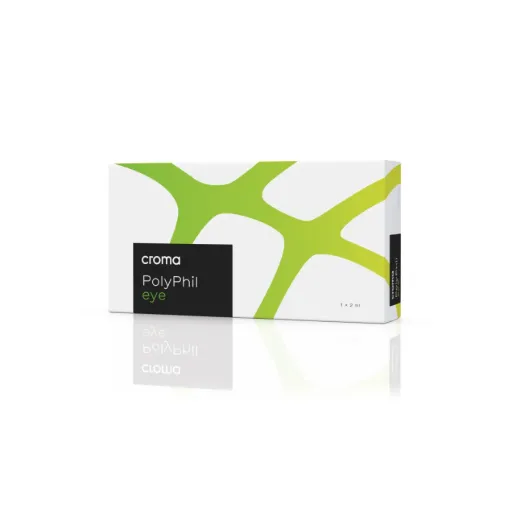
 Mesotherapy