
 Dermal Fillers

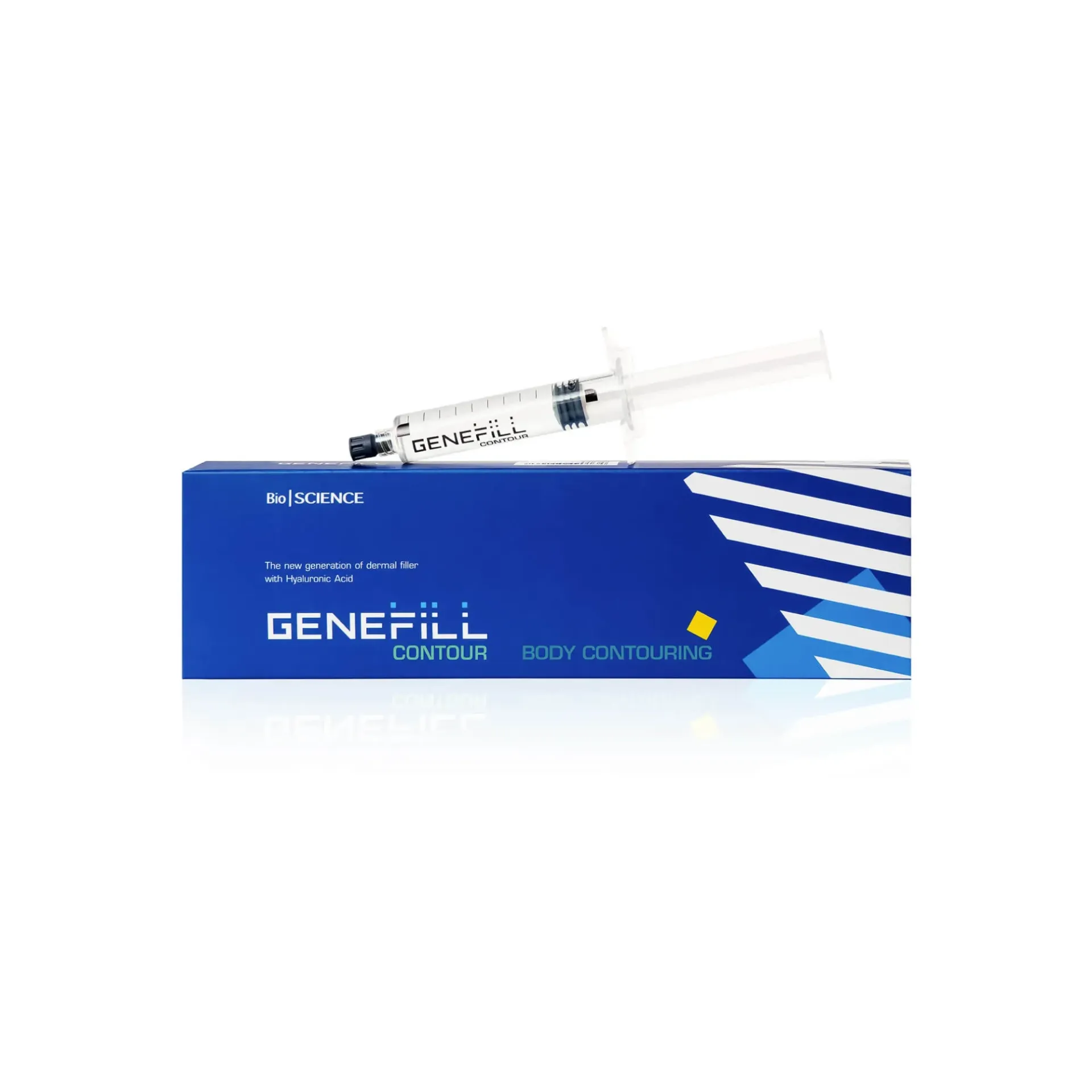
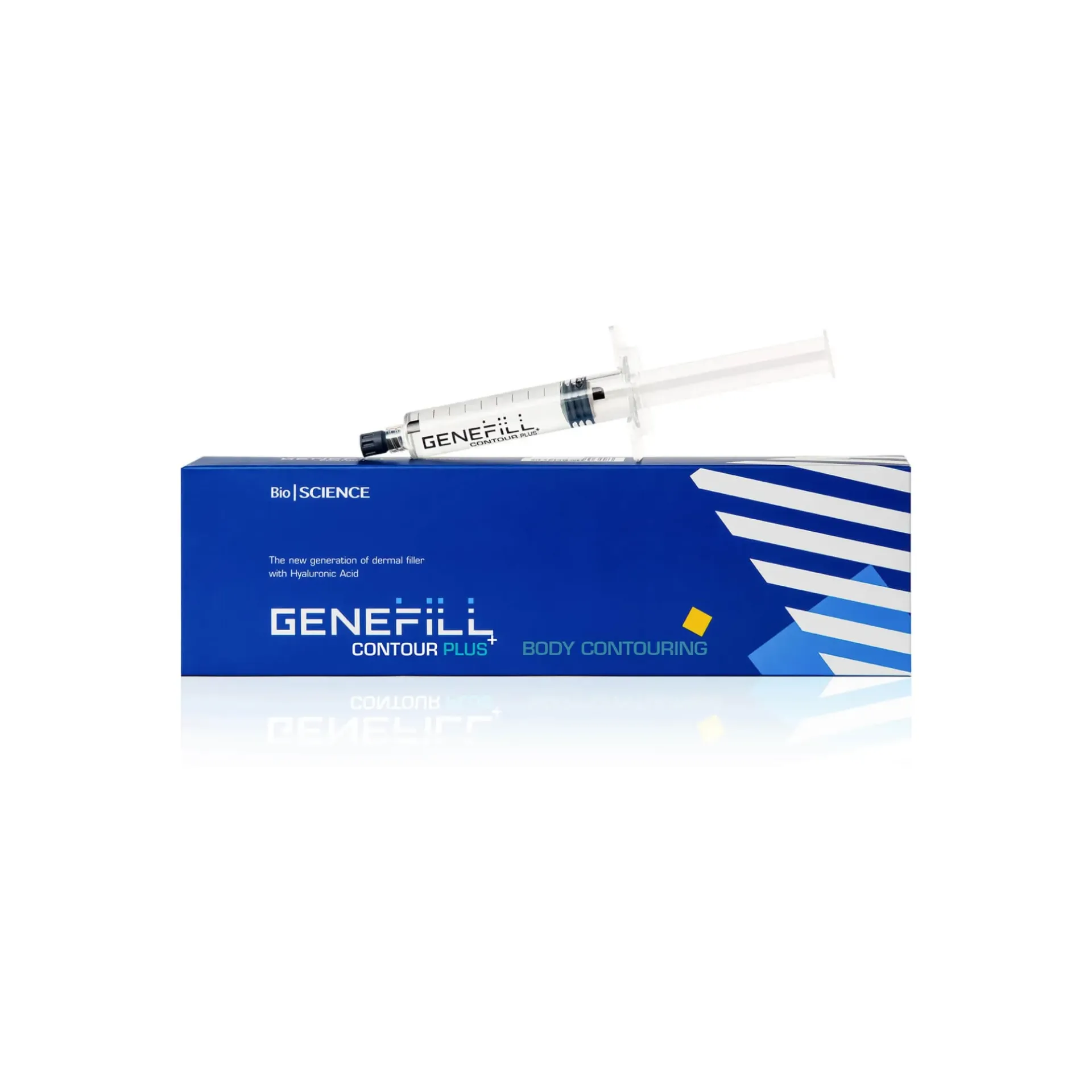
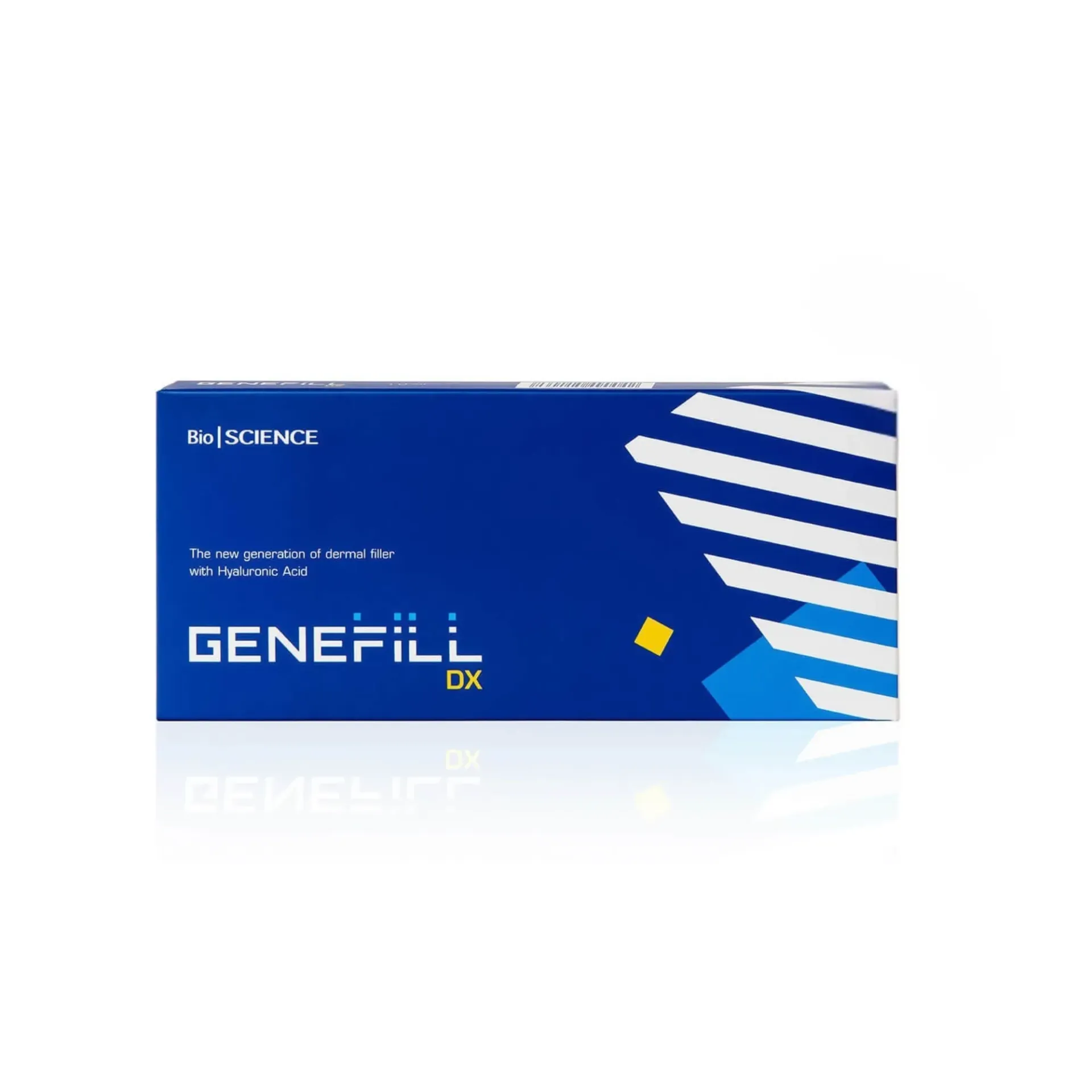
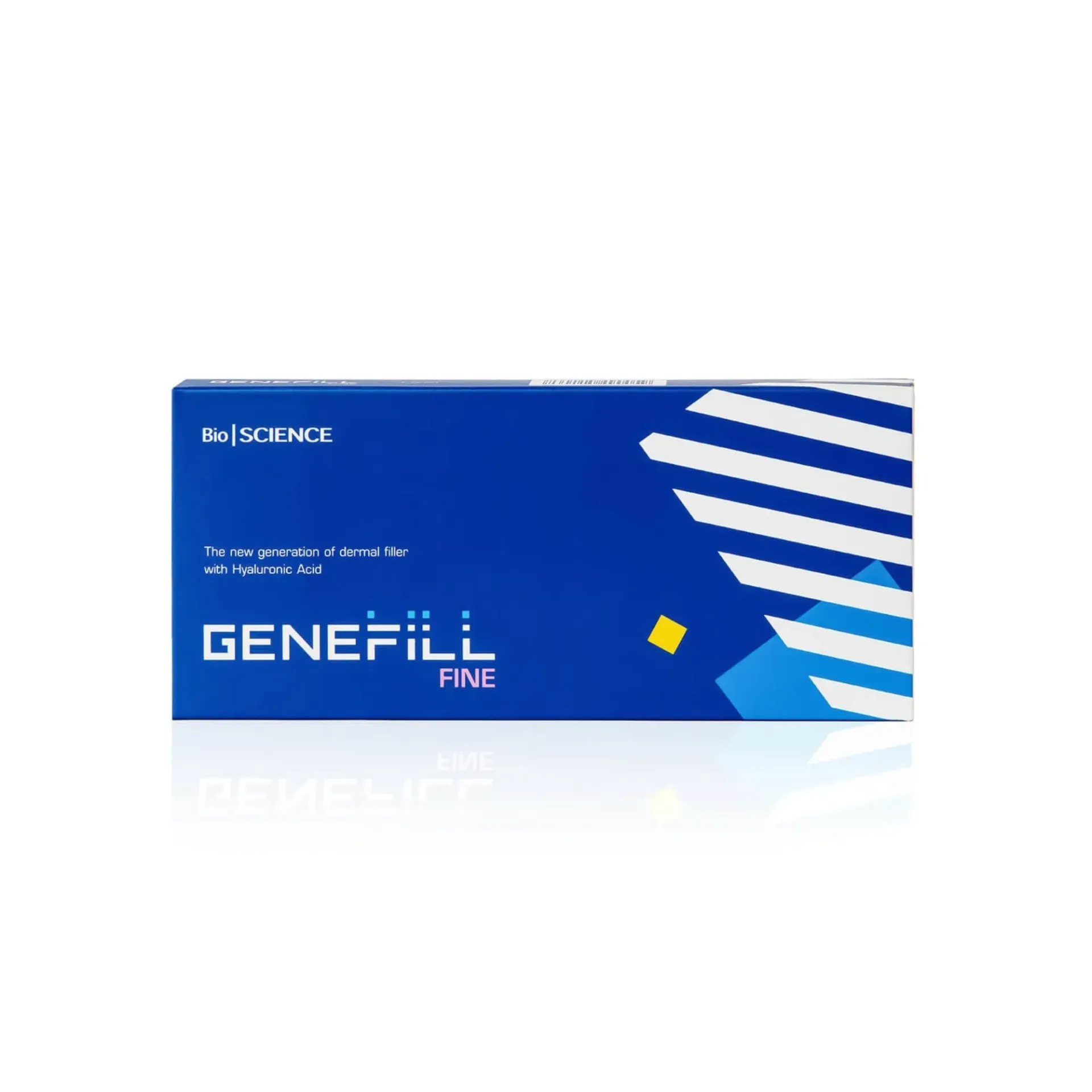
GENEFILL references stocked by ALLPARA for professional use, sourced direct and certified on every shipment.

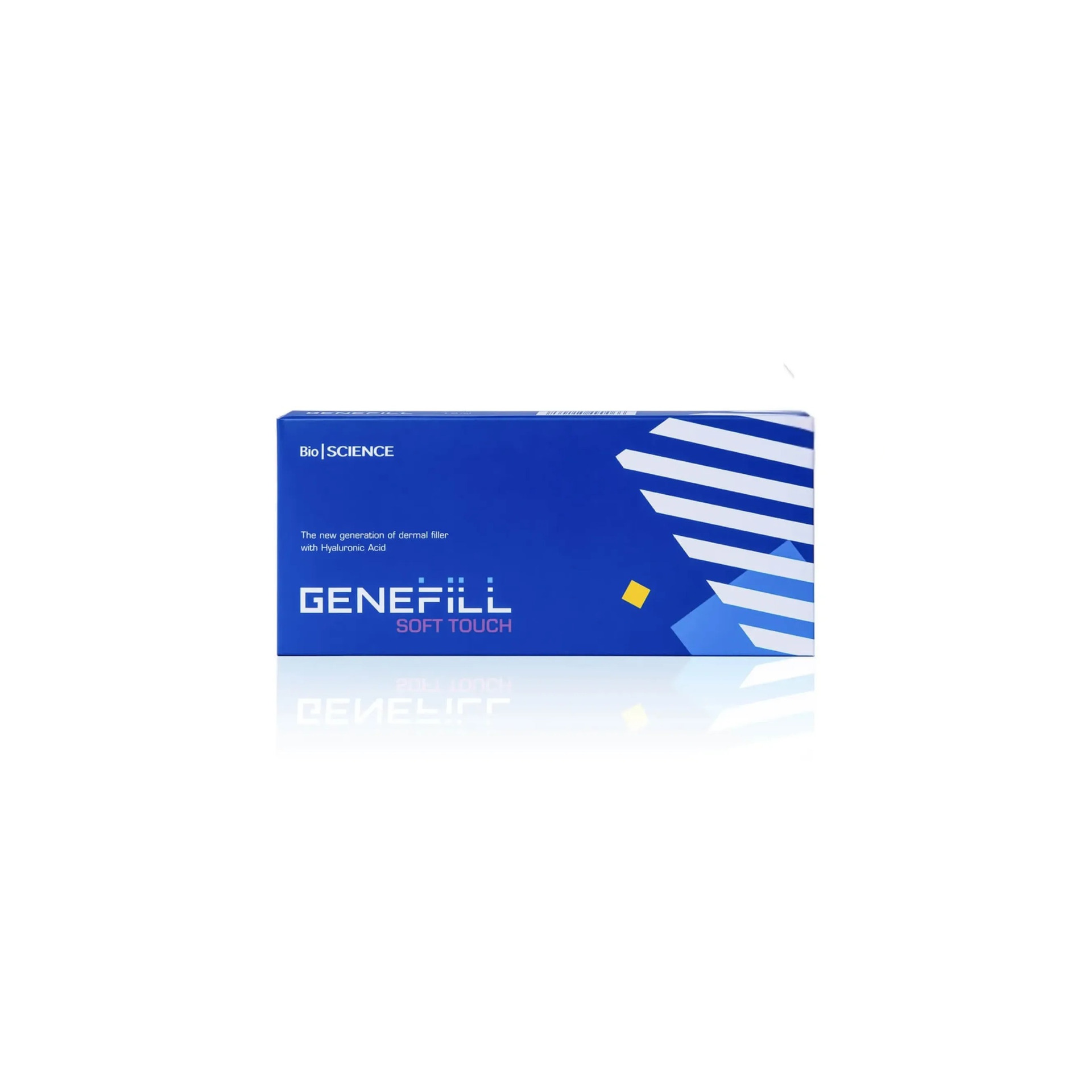
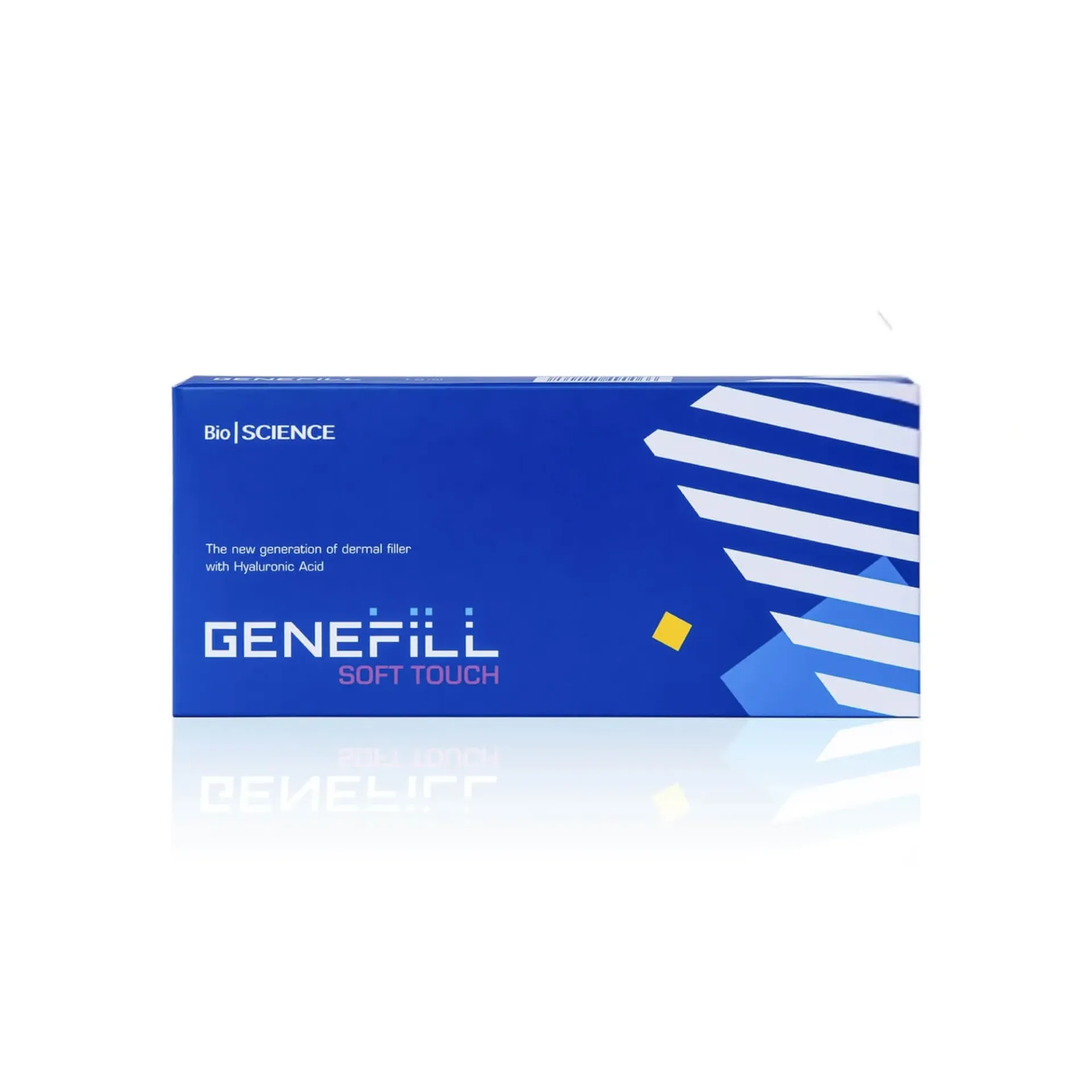
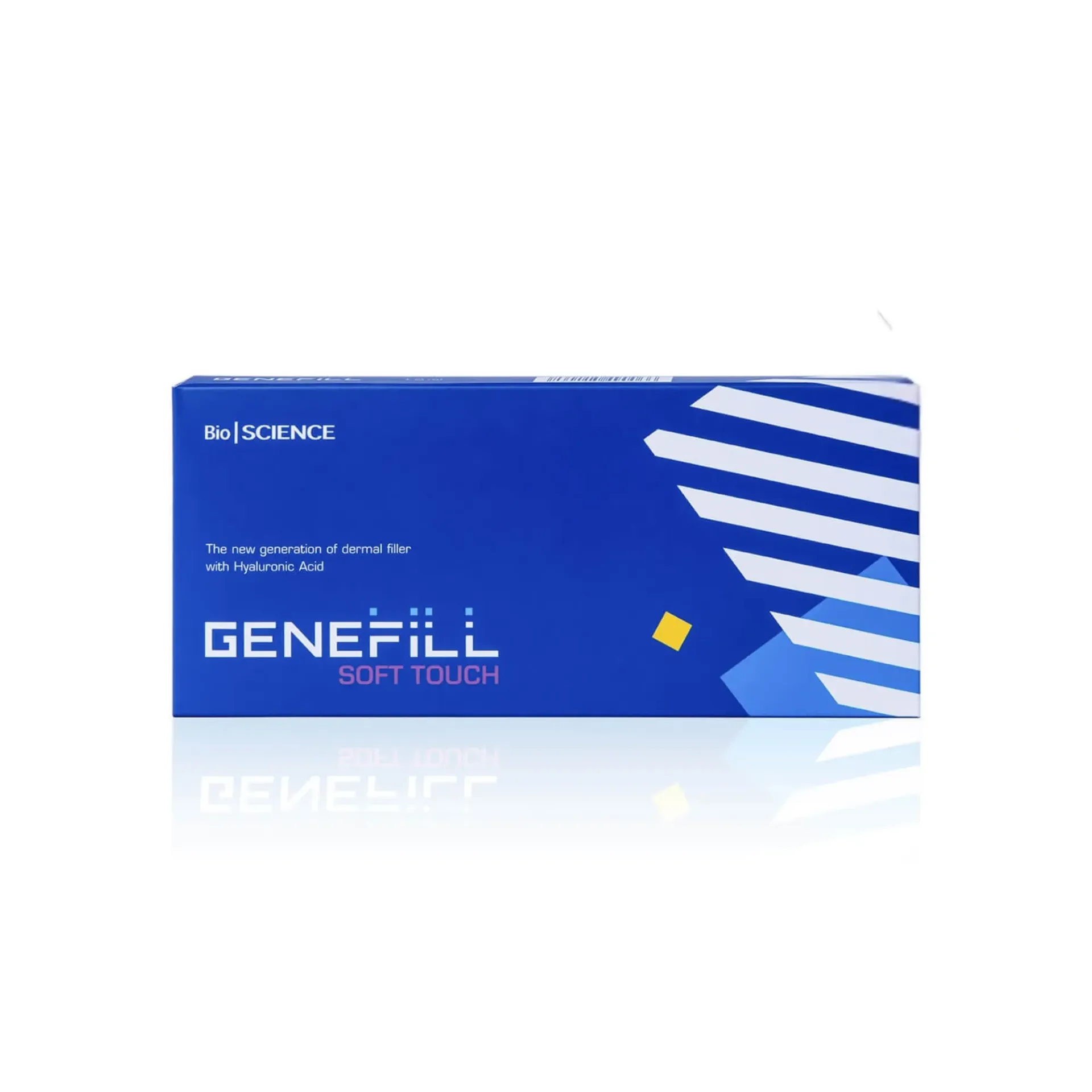
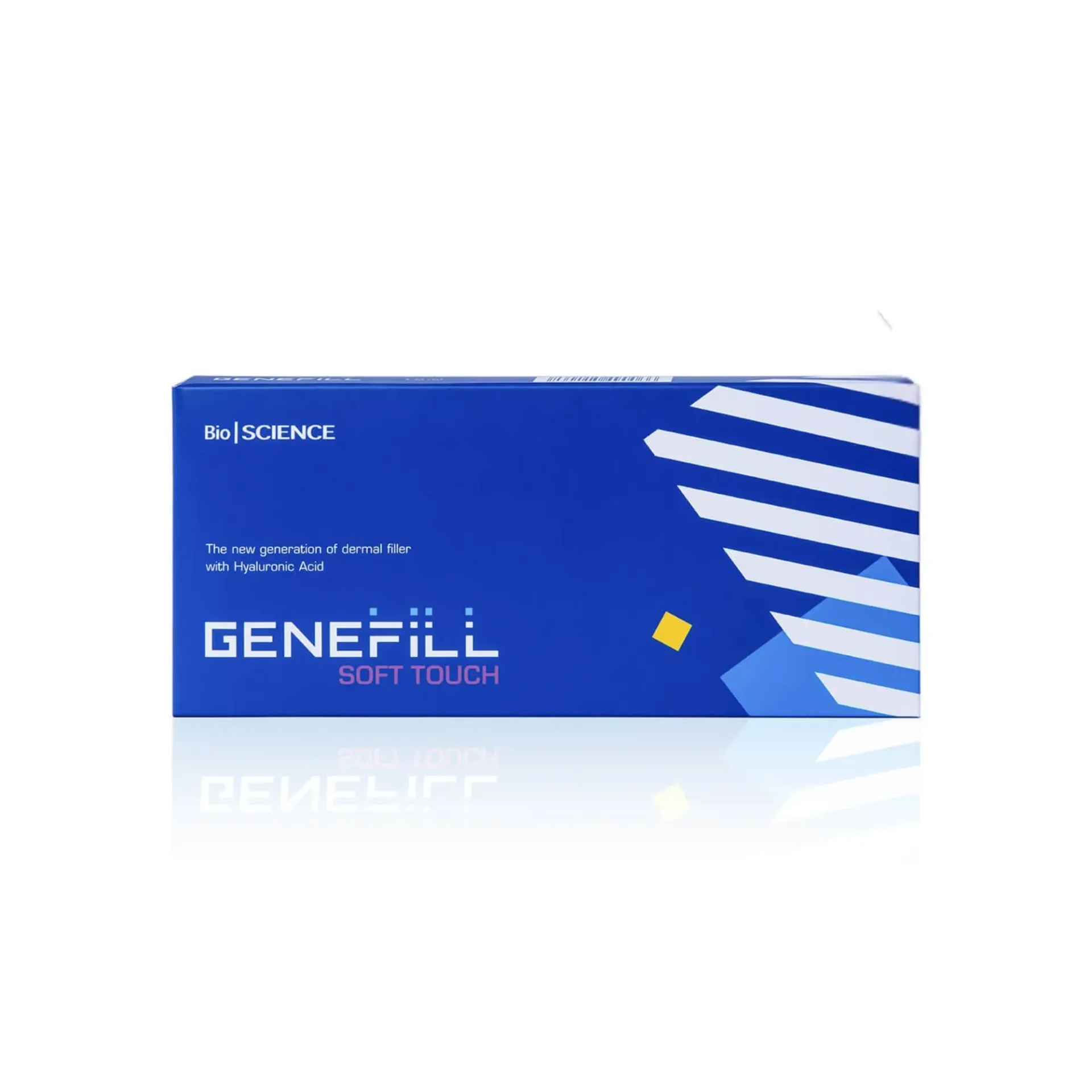
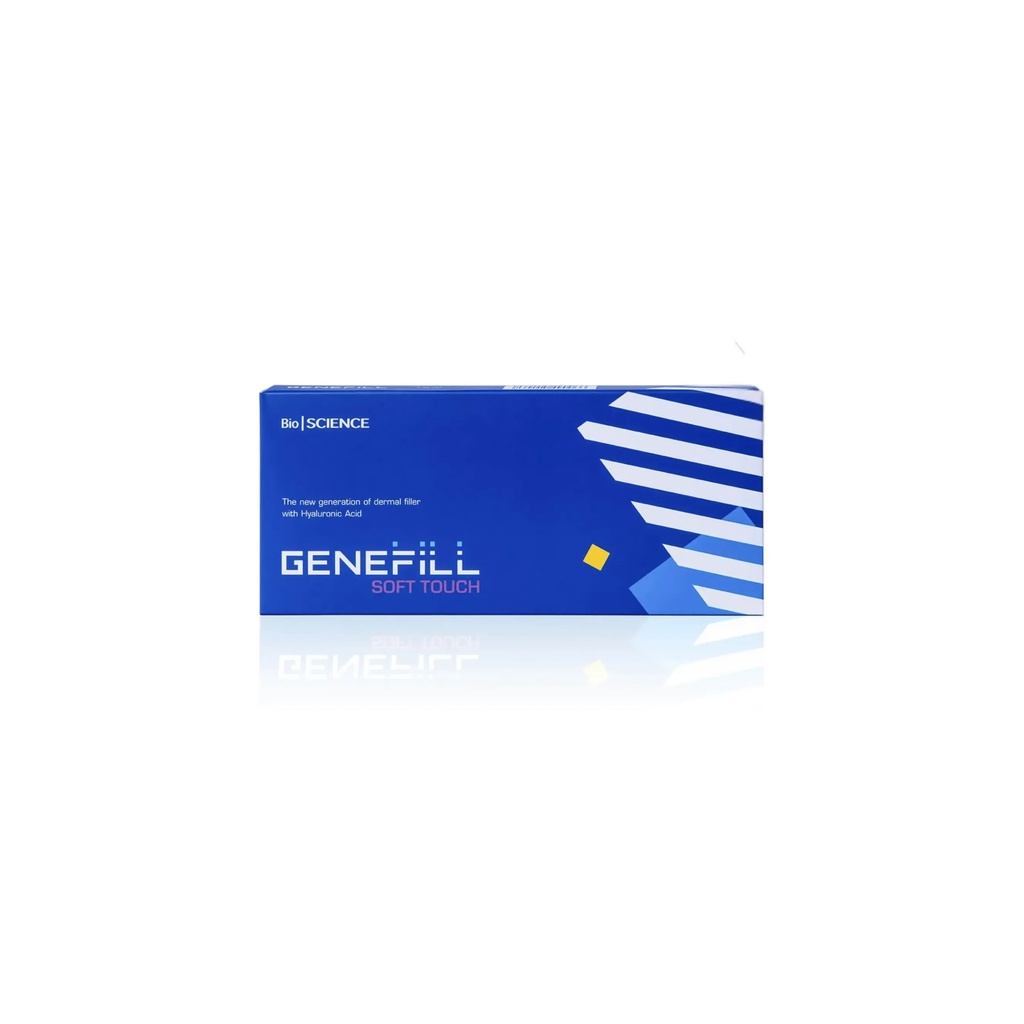
Genefill Soft Touch is a biphasic cross-linked hyaluronic acid dermal filler by GENEFILL, formulated for superficial folds and fine lines, especially in the periorbital and perioral areas and around crow's feet. Aesthetic practitioners and clinics frequently choose it to treat crow's feet together with periorbital and perioral lines. It blends 16 mg/mL cross-linked hyaluronic acid with 2 mg/mL non-cross-linked hyaluronic acid and is intended for professional intradermal injection only. Each unit comes in a 1 mL syringe.
Professional use: For use only by trained medical personnel, administered by intradermal injection into the mid-dermis. Contraindications: Do not use for breast augmentation. Do not use for genital augmentation. Do not inject into blood vessels. Patients prone to hypertrophic or keloid scarring. Intolerance to gram-positive bacteria. Active inflammatory or infectious processes. Acute or chronic skin diseases. Anticoagulant therapy. Known allergy to hyaluronic acid. Autoimmune diseases. Pregnancy or lactation. Patients under 18 years old. Patients with multiple allergies should be excluded from treatment.
Patient suitability is determined by the treating practitioner following clinical assessment. Not suitable for patients under 18, pregnant or breastfeeding, with autoimmune disease, acute or chronic skin disease, a tendency to hypertrophic or keloid scarring, multiple allergies, known hypersensitivity to hyaluronic acid, intolerance to gram-positive bacteria, active inflammatory or infectious processes, or those undergoing anticoagulant therapy.
Genefill Soft Touch works through a biphasic combination of cross-linked hyaluronic acid (16 mg/mL) and non-cross-linked hyaluronic acid (2 mg/mL), injected into the mid-dermis. This improves skin texture and hydration while smoothing superficial folds, crow's feet, and periorbital and perioral lines, with a delicate, natural-looking effect suited to fine facial areas around the eyes and mouth.
Allpara offers genuine, verified GENEFILL products from vetted suppliers, with full batch-traceability and expert support. We serve clinics and aesthetic professionals with CE-certified products, fast EU-wide delivery from our EU warehouse, and competitive trade pricing. Our focus is your patients' safety, satisfaction and results - with dedicated after-sales support for your peace of mind.
No. Genefill Soft Touch does not contain lidocaine. Its composition is hyaluronic acid, sodium chloride and water for injection. A local anaesthetic may be administered separately at the practitioner's discretion.
Genefill Soft Touch is injected intradermally into the mid-dermis.
Longevity varies with injection depth and treatment area.
Genefill Soft Touch should not be used for breast or genital augmentation, in patients under 18, during pregnancy or breastfeeding, or in patients with autoimmune disease, acute or chronic skin disease, a tendency to hypertrophic or keloid scarring, multiple allergies, known hypersensitivity to hyaluronic acid, or those undergoing anticoagulant therapy.
GENEFILL references stocked by ALLPARA for professional use, sourced direct and certified on every shipment.

HYACORP references stocked by ALLPARA for professional use, sourced direct and certified on every shipment.
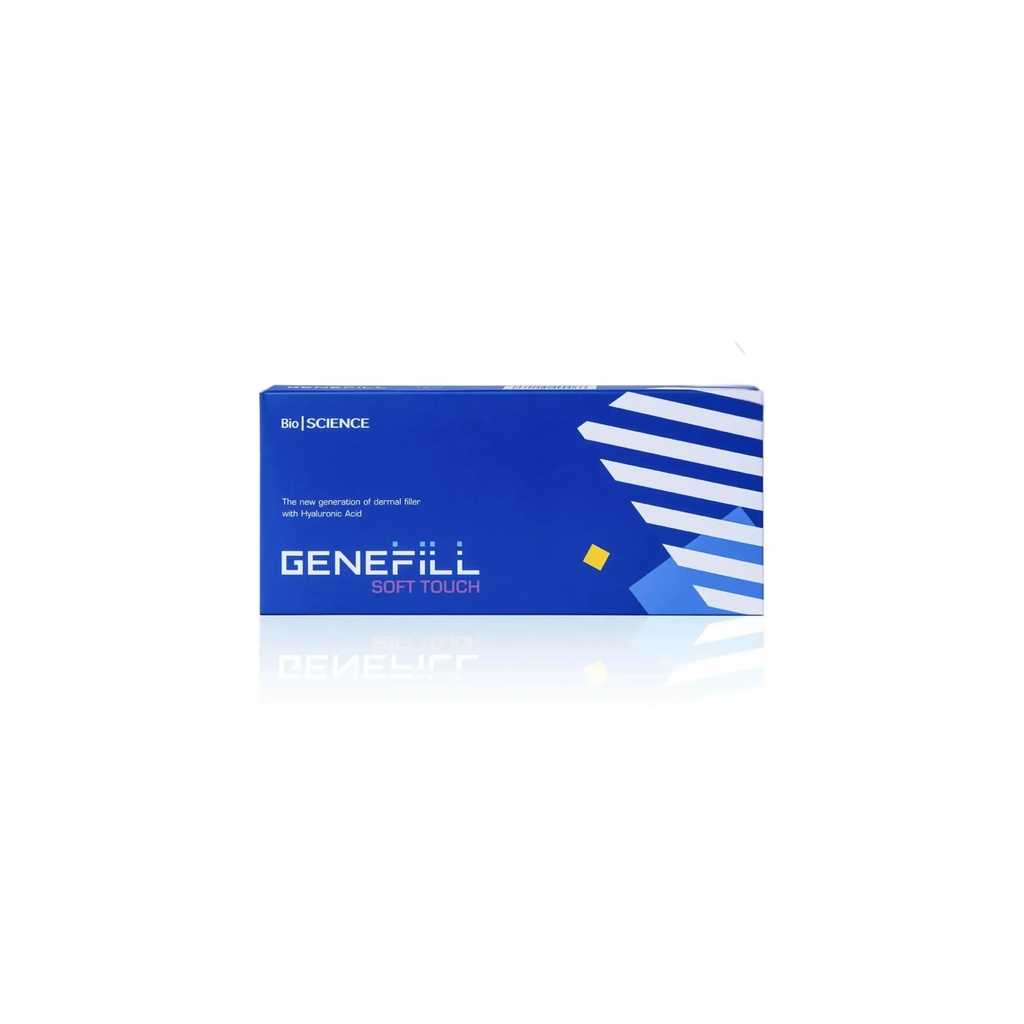
Genefill Soft Touch is a biphasic cross-linked hyaluronic acid dermal filler by GENEFILL, formulated for superficial folds and fine lines, especially in the periorbital and perioral areas and around crow's feet. Aesthetic practitioners and clinics frequently choose it to treat crow's feet together with periorbital and perioral lines. It blends 16 mg/mL cross-linked hyaluronic acid with 2 mg/mL non-cross-linked hyaluronic acid and is intended for professional intradermal injection only. Each unit comes in a 1 mL syringe.
Professional use: For use only by trained medical personnel, administered by intradermal injection into the mid-dermis. Contraindications: Do not use for breast augmentation. Do not use for genital augmentation. Do not inject into blood vessels. Patients prone to hypertrophic or keloid scarring. Intolerance to gram-positive bacteria. Active inflammatory or infectious processes. Acute or chronic skin diseases. Anticoagulant therapy. Known allergy to hyaluronic acid. Autoimmune diseases. Pregnancy or lactation. Patients under 18 years old. Patients with multiple allergies should be excluded from treatment.
Patient suitability is determined by the treating practitioner following clinical assessment. Not suitable for patients under 18, pregnant or breastfeeding, with autoimmune disease, acute or chronic skin disease, a tendency to hypertrophic or keloid scarring, multiple allergies, known hypersensitivity to hyaluronic acid, intolerance to gram-positive bacteria, active inflammatory or infectious processes, or those undergoing anticoagulant therapy.
Genefill Soft Touch works through a biphasic combination of cross-linked hyaluronic acid (16 mg/mL) and non-cross-linked hyaluronic acid (2 mg/mL), injected into the mid-dermis. This improves skin texture and hydration while smoothing superficial folds, crow's feet, and periorbital and perioral lines, with a delicate, natural-looking effect suited to fine facial areas around the eyes and mouth.
Allpara offers genuine, verified GENEFILL products with full batch-traceability, CE-certified stock, fast EU-wide delivery and expert after-sales support.
No. Genefill Soft Touch does not contain lidocaine. Its composition is hyaluronic acid, sodium chloride and water for injection. A local anaesthetic may be administered separately at the practitioner's discretion.
Genefill Soft Touch is injected intradermally into the mid-dermis.
Longevity varies with injection depth and treatment area.
Genefill Soft Touch should not be used for breast or genital augmentation, in patients under 18, during pregnancy or breastfeeding, or in patients with autoimmune disease, acute or chronic skin disease, a tendency to hypertrophic or keloid scarring, multiple allergies, known hypersensitivity to hyaluronic acid, or those undergoing anticoagulant therapy.