
 Chất làm đầy da

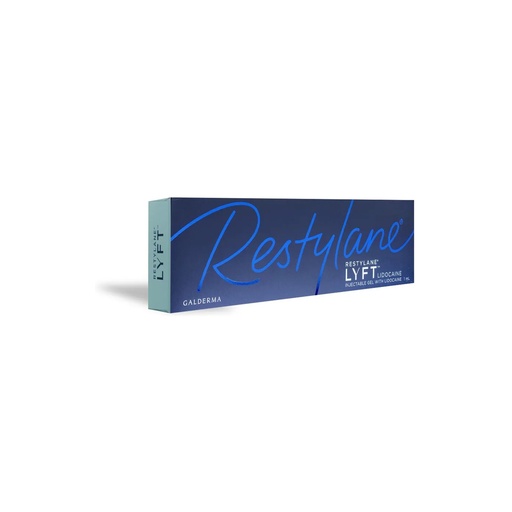
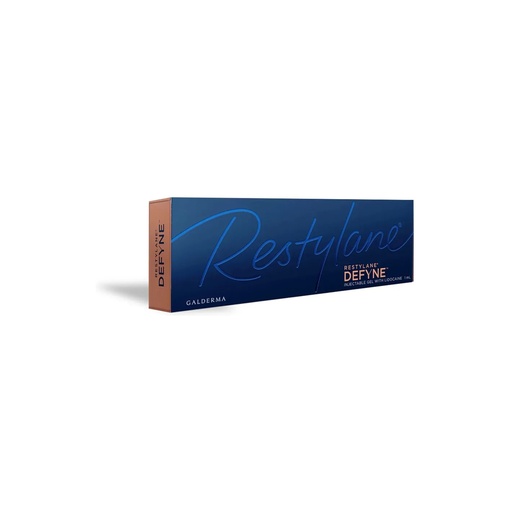
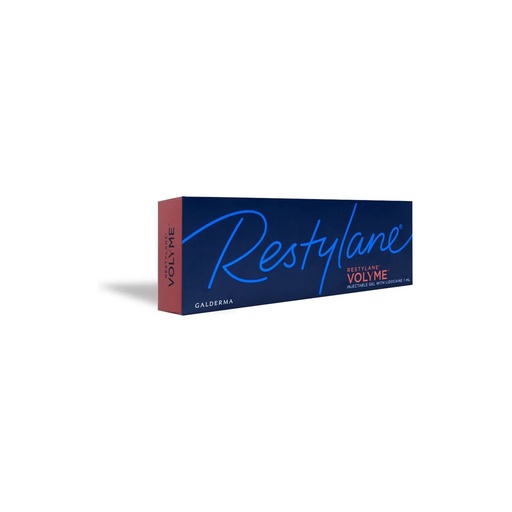
RESTYLANE mã hàng do ALLPARA lưu kho cho mục đích chuyên môn, nhập trực tiếp và có chứng nhận cho mỗi lô giao.

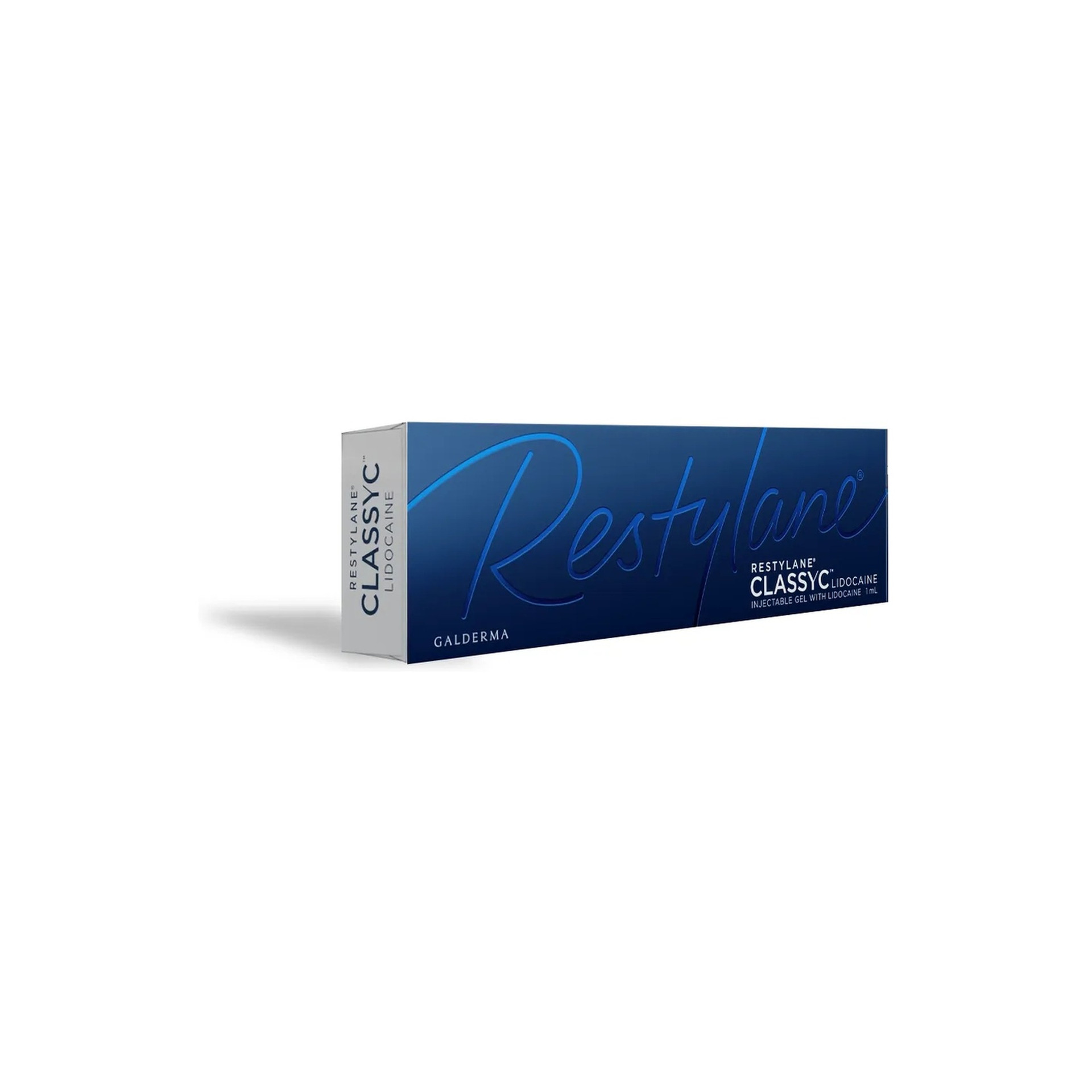
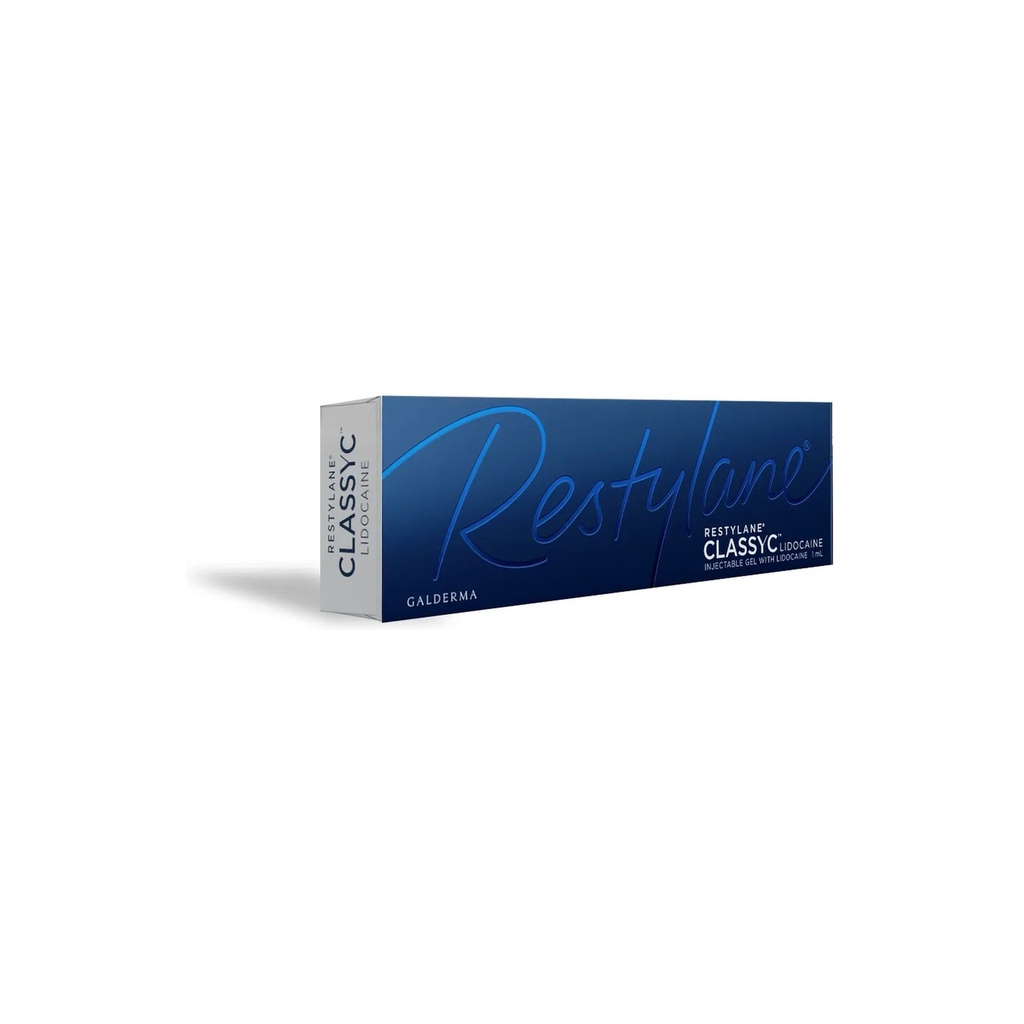
Restylane Lidocaine is a hyaluronic acid dermal filler intended for facial tissue augmentation, recommended for correcting wrinkles and for lip enhancement. The sterile, transparent gel combines stabilised hyaluronic acid of non-animal origin at 20 mg/mL with 0.3% lidocaine hydrochloride, which gives a pain relieving effect during treatment, and it is intended for professional use only.
Restylane Lidocaine is an injectable medical device to be administered only by authorised personnel in accordance with local legislation, and is not for retail sale or self-administration. It is injected into the middle part of the dermis layer or into the submucosal layer of the lip. For facial areas with limited soft tissue support and soft tissue cover, such as the periorbital region, injection into the subcutaneous fatty tissue or supraperiosteal administration is recommended. At each treatment session a maximum dosage of 2 ml per treatment site is recommended. Defects should be fully corrected but not overcorrected, and the correction site should be massaged to conform to the contour of the surrounding tissues. It is recommended to change the needle or cannula for each new treatment site. Because this reference contains an amide-type local anaesthetic, it must not be used where lidocaine is contraindicated; the plain Restylane reference exists for that case and the two are not interchangeable in it.
For adult patients assessed as suitable by the treating practitioner. Patient selection, treatment area, injected volume and injection plane follow the practitioner's clinical assessment. Because the gel contains lidocaine hydrochloride 3 mg/mL, patients with known hypersensitivity to lidocaine or to amide-type local anaesthetics must not receive this reference and should be assessed for the lidocaine-free Restylane instead. It must not be used in patients with bleeding disorders. Use should be deferred at sites where there is active disease such as inflammation, skin eruption, infection or tumours until the underlying process has been controlled.
Restylane Lidocaine works through stabilised hyaluronic acid, which binds water and adds volume to the tissue when injected into the middle part of the dermis or the submucosal layer of the lip, restoring the skin contours or enhancing the lips. The incorporated lidocaine hydrochloride provides a pain relieving effect during treatment rather than contributing to the correction. This makes it suitable for practitioners correcting wrinkles or enhancing lips who want anaesthesia built into the product.
Allpara cung cấp sản phẩm RESTYLANE chính hãng, đã được xác minh, từ các nhà cung cấp được tuyển chọn, với khả năng truy xuất lô đầy đủ và hỗ trợ chuyên môn. Chúng tôi phục vụ các phòng khám và chuyên gia thẩm mỹ với sản phẩm đạt chứng nhận CE, giao hàng nhanh khắp EU từ kho tại EU và giá chuyên nghiệp cạnh tranh. Ưu tiên của chúng tôi là sự an toàn, hài lòng và kết quả của bệnh nhân của bạn, cùng dịch vụ hậu mãi tận tâm để bạn hoàn toàn yên tâm.
Both carry 20 mg/mL stabilised hyaluronic acid, so the gels themselves are comparable. The difference is that Restylane Lidocaine contains lidocaine hydrochloride 3 mg/mL for injection comfort while Restylane contains none. Where lidocaine is contraindicated, the plain reference is the one to use.
Into the middle part of the dermis layer, or the submucosal layer of the lip. In facial areas with limited soft tissue support and cover, such as the periorbital region, injection into the subcutaneous fatty tissue or supraperiosteal administration is recommended instead.
RESTYLANE mã hàng do ALLPARA lưu kho cho mục đích chuyên môn, nhập trực tiếp và có chứng nhận cho mỗi lô giao.

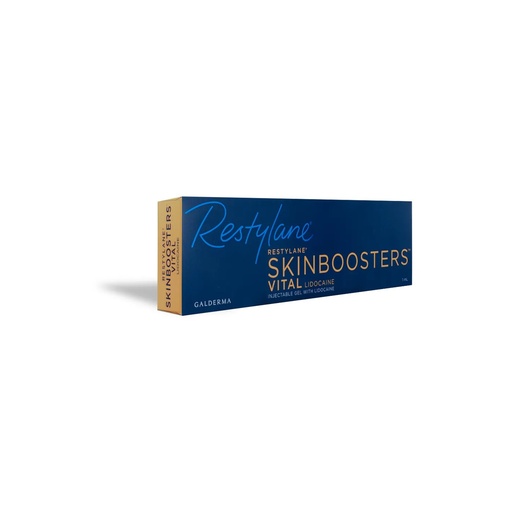
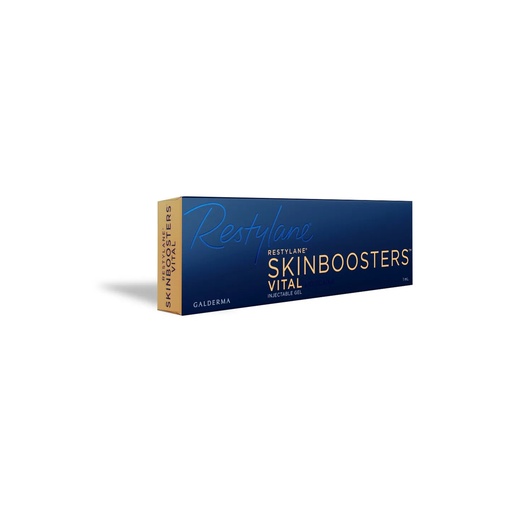
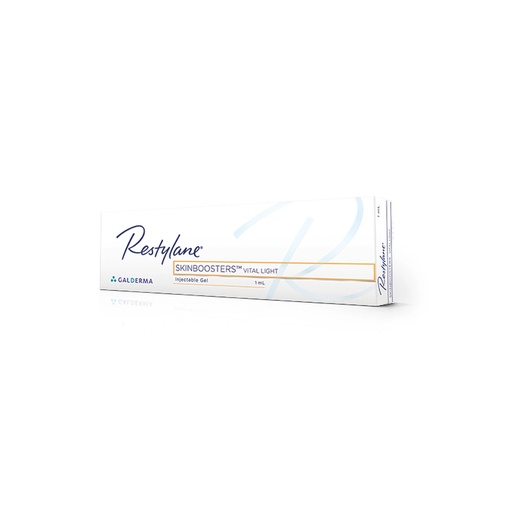
RESTYLANE SKINBOOSTERS mã hàng do ALLPARA lưu kho cho mục đích chuyên môn, nhập trực tiếp và có chứng nhận cho mỗi lô giao.

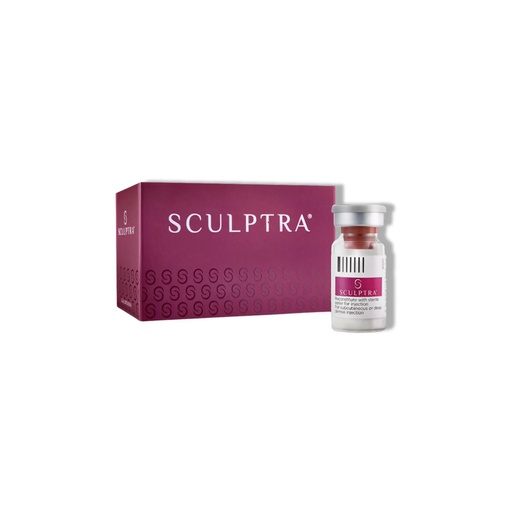
SCULPTRA mã hàng do ALLPARA lưu kho cho mục đích chuyên môn, nhập trực tiếp và có chứng nhận cho mỗi lô giao.
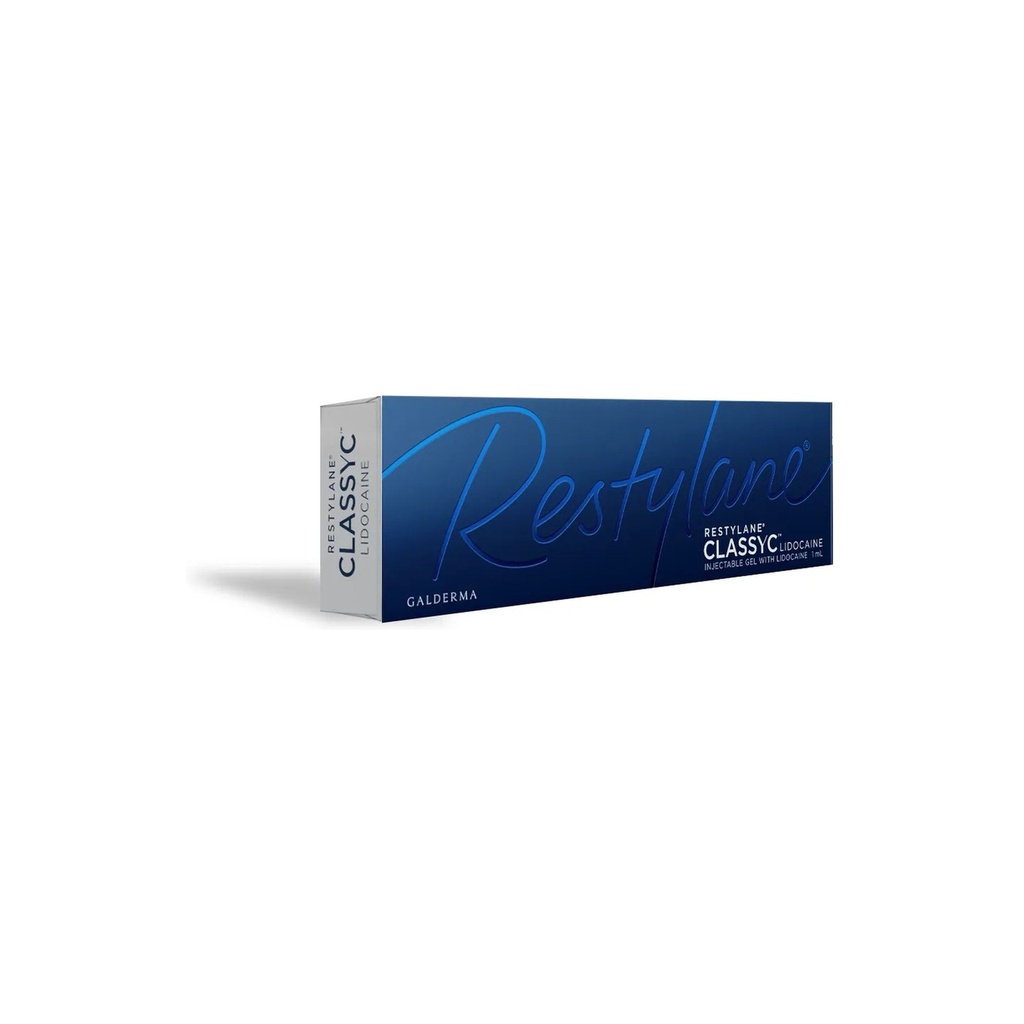
Restylane Lidocaine is a hyaluronic acid dermal filler intended for facial tissue augmentation, recommended for correcting wrinkles and for lip enhancement. The sterile, transparent gel combines stabilised hyaluronic acid of non-animal origin at 20 mg/mL with 0.3% lidocaine hydrochloride, which gives a pain relieving effect during treatment, and it is intended for professional use only.
Restylane Lidocaine is an injectable medical device to be administered only by authorised personnel in accordance with local legislation, and is not for retail sale or self-administration. It is injected into the middle part of the dermis layer or into the submucosal layer of the lip. For facial areas with limited soft tissue support and soft tissue cover, such as the periorbital region, injection into the subcutaneous fatty tissue or supraperiosteal administration is recommended. At each treatment session a maximum dosage of 2 ml per treatment site is recommended. Defects should be fully corrected but not overcorrected, and the correction site should be massaged to conform to the contour of the surrounding tissues. It is recommended to change the needle or cannula for each new treatment site. Because this reference contains an amide-type local anaesthetic, it must not be used where lidocaine is contraindicated; the plain Restylane reference exists for that case and the two are not interchangeable in it.
For adult patients assessed as suitable by the treating practitioner. Patient selection, treatment area, injected volume and injection plane follow the practitioner's clinical assessment. Because the gel contains lidocaine hydrochloride 3 mg/mL, patients with known hypersensitivity to lidocaine or to amide-type local anaesthetics must not receive this reference and should be assessed for the lidocaine-free Restylane instead. It must not be used in patients with bleeding disorders. Use should be deferred at sites where there is active disease such as inflammation, skin eruption, infection or tumours until the underlying process has been controlled.
Restylane Lidocaine works through stabilised hyaluronic acid, which binds water and adds volume to the tissue when injected into the middle part of the dermis or the submucosal layer of the lip, restoring the skin contours or enhancing the lips. The incorporated lidocaine hydrochloride provides a pain relieving effect during treatment rather than contributing to the correction. This makes it suitable for practitioners correcting wrinkles or enhancing lips who want anaesthesia built into the product.
Allpara cung cấp sản phẩm RESTYLANE chính hãng, đã được xác minh, với khả năng truy xuất lô đầy đủ, hàng đạt chứng nhận CE, giao hàng nhanh khắp EU và hỗ trợ hậu mãi chuyên nghiệp.
Both carry 20 mg/mL stabilised hyaluronic acid, so the gels themselves are comparable. The difference is that Restylane Lidocaine contains lidocaine hydrochloride 3 mg/mL for injection comfort while Restylane contains none. Where lidocaine is contraindicated, the plain reference is the one to use.
Into the middle part of the dermis layer, or the submucosal layer of the lip. In facial areas with limited soft tissue support and cover, such as the periorbital region, injection into the subcutaneous fatty tissue or supraperiosteal administration is recommended instead.
 Skin Booster

 Chất kích thích collagen