
Zum Inhalt springen
· Dermal Fillers
SKU 11102 · GTIN 349932001185

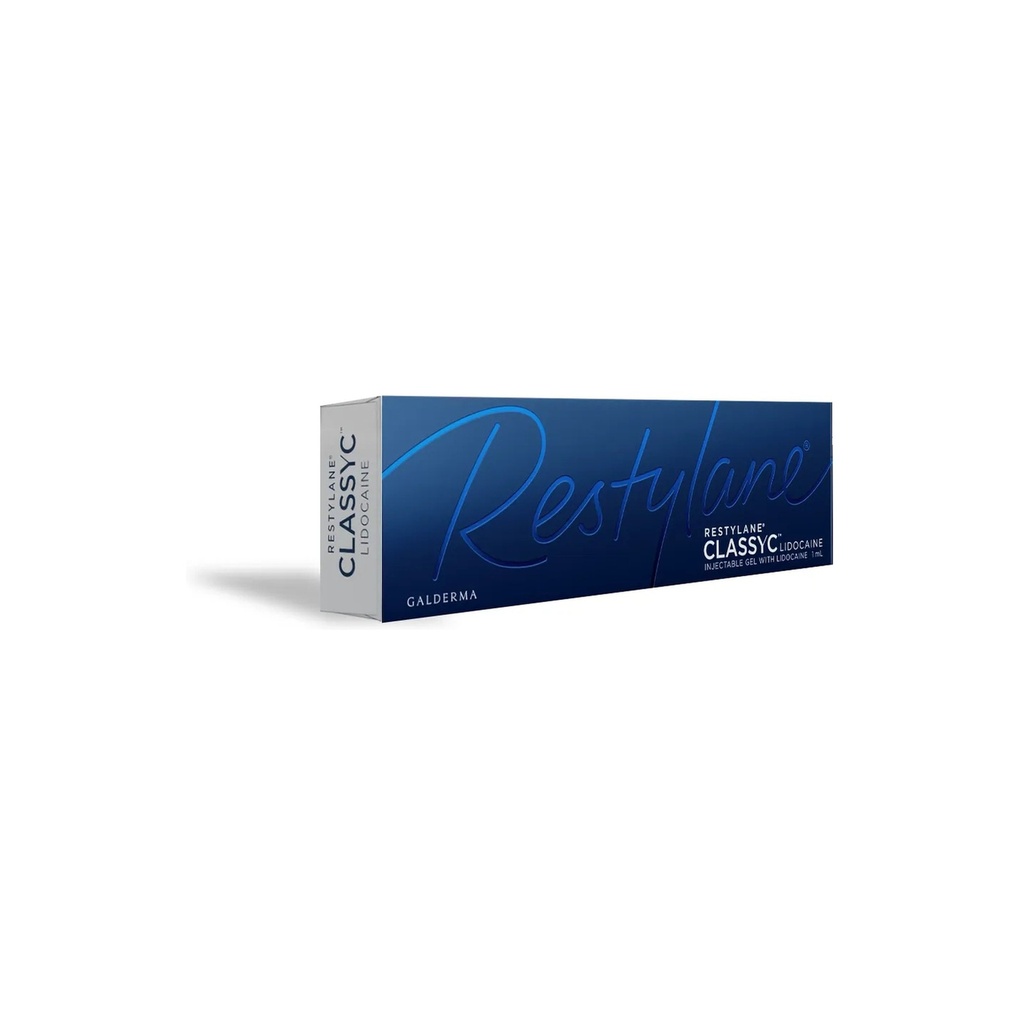
Restylane Lidocaine

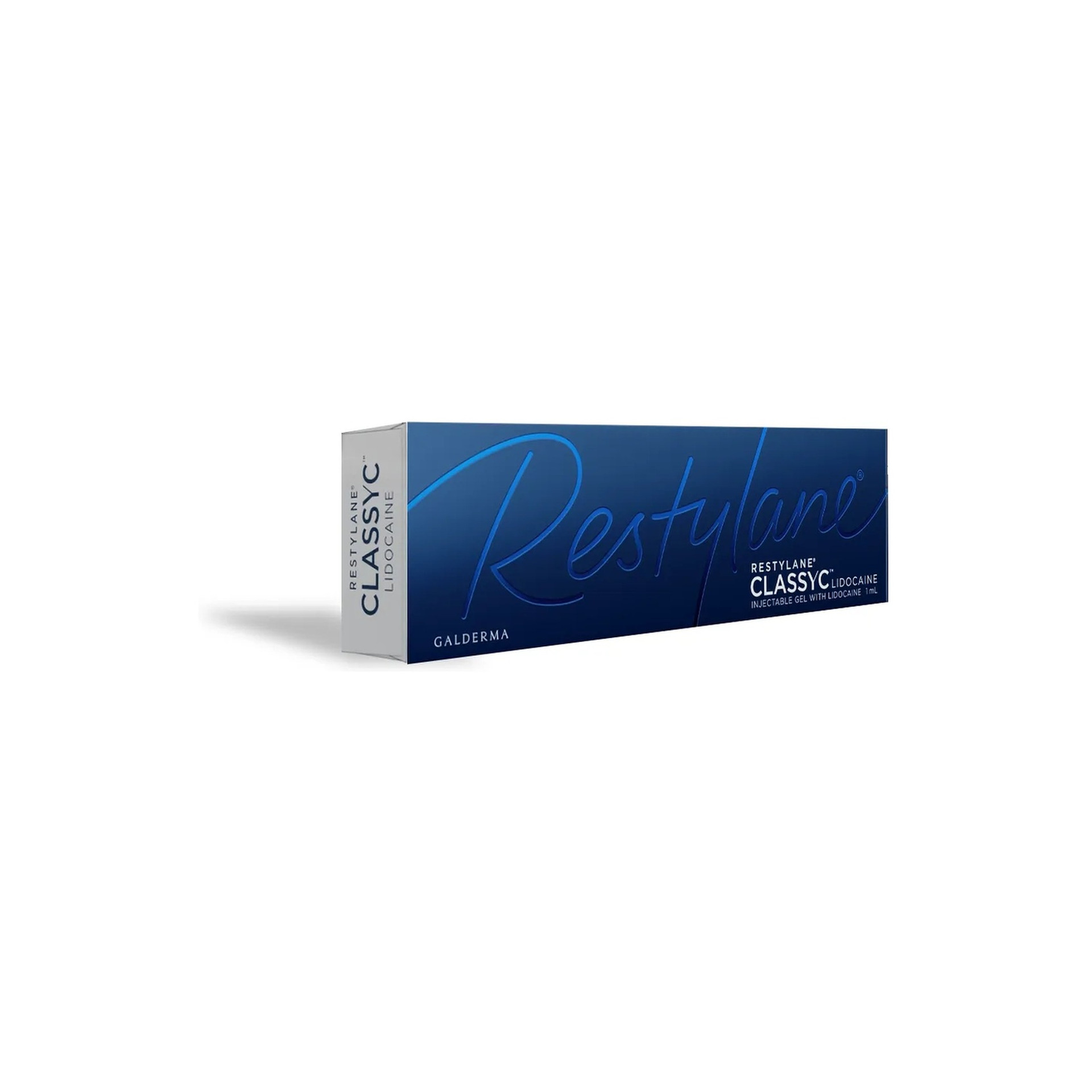
Restylane Lidocaine (Restylane Classyc Lidocaine) is a dermal filler for smoothing facial wrinkles and enhancing lip volume.

In stock
Laboratory
Galderma Laboratories, L.P.
Origin
Schweden
Indication
Moderate to severe wrinkles, under-eye hollows, lip volume
Trade price and history are verified-only
allpara supplies licensed practitioners. Sign in or apply for a B2B account to see live pricing, volume tiers and price history.

Restylane Lidocaine is a hyaluronic acid dermal filler from Galderma, intended for facial tissue augmentation and recommended for the correction of wrinkles and for lip enhancement. The sterile, transparent gel combines stabilised hyaluronic acid of non-animal origin at 20 mg/mL with 0.3% lidocaine hydrochloride, which provides a pain relieving effect during treatment, and it is intended for professional use only.

Key Benefits of Restylane Lidocaine

  • Contains lidocaine hydrochloride 3 mg/mL, which provides a pain relieving effect during treatment
  • Intended for facial tissue augmentation, recommended for the correction of wrinkles and for lip enhancement
  • Covers both wrinkle correction and lip enhancement, so one reference serves two indications
  • In facial areas with limited soft tissue support and cover, such as the periorbital region, it can be placed deeper, in the subcutaneous fatty tissue or supraperiosteal layer
  • Stabilised hyaluronic acid of non-animal origin at 20 mg/mL, in phosphate-buffered saline
  • Hyaluronic acid based, so the implant can be broken down by enzymatic degradation with hyaluronidase where clinically indicated
  • Supplied with disposable sterile 29G thin wall needles, and a 27G to 28G blunt cannula may be used instead
Key Information
Brand RESTYLANE
Manufacturer Galderma
Country of Origin Sweden
Certification CE marked according to MDD 93/42/EEC; 0344 is the notified body number for Restylane Lidocaine. 0197 is the notified body number for the co-packed needles
Ingredients Sterile, transparent, biodegradable gel of stabilised hyaluronic acid of non-animal origin, in phosphate-buffered saline. Hyaluronic acid 20 mg/mL with lidocaine hydrochloride 3 mg/mL
Volume / Size 1 ml
Packaging 1 x 1 mL prefilled glass syringe, co-packed with disposable sterile 29G thin-walled needles. The patient record label is part of the syringe label
Needle Size 29G thin wall, disposable sterile needles supplied. If a replacement needle is required, use one within the range of 29G to 30G. A sterile blunt cannula of 27G to 28G may be used instead
Use Type For professional use. Injectable dermal filler
Injection Depth Middle part of the dermis layer, or the submucosal layer of the lip. For facial areas with limited soft tissue support and soft tissue cover, such as the periorbital region, injection into the subcutaneous fatty tissue or supraperiosteal administration is recommended
Protocol / Duration At each treatment session a maximum dosage of 2 ml per treatment site is recommended

Indications and Professional Use

Main indications

  • Facial tissue augmentation
  • Correction of wrinkles
  • Lip enhancement

Professional use

Restylane Lidocaine is an injectable medical device to be administered only by authorised personnel in accordance with local legislation, and is not for retail sale or self-administration. It is injected into the middle part of the dermis layer or into the submucosal layer of the lip. For facial areas with limited soft tissue support and soft tissue cover, such as the periorbital region, injection into the subcutaneous fatty tissue or supraperiosteal administration is recommended. At each treatment session a maximum dosage of 2 ml per treatment site is recommended. Defects should be fully corrected but not overcorrected, and the correction site should be massaged to conform to the contour of the surrounding tissues. It is recommended to change the needle or cannula for each new treatment site. Because this reference contains an amide-type local anaesthetic, it must not be used where lidocaine is contraindicated; the plain Restylane reference exists for that case and the two are not interchangeable in it.

Treatment areas

  • Facial wrinkles, by injection into the middle part of the dermis
  • Lips, by injection into the submucosal layer
  • Facial areas with limited soft tissue support or cover, such as the periorbital region, by deeper subcutaneous or supraperiosteal placement

Patient profile

For adult patients assessed as suitable by the treating practitioner. Patient selection, treatment area, injected volume and injection plane follow the practitioner's clinical assessment. Because the gel contains lidocaine hydrochloride 3 mg/mL, patients with known hypersensitivity to lidocaine or to amide-type local anaesthetics must not receive this reference and should be assessed for the lidocaine-free Restylane instead. It must not be used in patients with bleeding disorders. Use should be deferred at sites where there is active disease such as inflammation, skin eruption, infection or tumours until the underlying process has been controlled.

How Restylane Lidocaine Works

Restylane Lidocaine works through stabilised hyaluronic acid, which binds water and adds volume to the tissue when injected into the middle part of the dermis or the submucosal layer of the lip, restoring the skin contours or enhancing the lips. The incorporated lidocaine hydrochloride provides a pain relieving effect during treatment rather than contributing to the correction. This makes it suitable for practitioners correcting wrinkles or enhancing lips who want anaesthesia built into the product.

Why Order From Allpara

Allpara offers genuine, verified RESTYLANE products from vetted suppliers, with full batch-traceability and expert support. We serve clinics and aesthetic professionals with CE-certified products, fast EU-wide delivery from our EU warehouse, and competitive trade pricing. Our focus is your patients' safety, satisfaction and results - with dedicated after-sales support for your peace of mind.

Frequently Asked Questions

How does Restylane Lidocaine differ from plain Restylane?

Both carry 20 mg/mL stabilised hyaluronic acid, so the gels themselves are comparable. The difference is that Restylane Lidocaine contains lidocaine hydrochloride 3 mg/mL for injection comfort while Restylane contains none. Where lidocaine is contraindicated, the plain reference is the one to use.

Into which layer is Restylane Lidocaine injected?

Into the middle part of the dermis layer, or the submucosal layer of the lip. In facial areas with limited soft tissue support and cover, such as the periorbital region, injection into the subcutaneous fatty tissue or supraperiosteal administration is recommended instead.
/ Specifications

The datasheet

Category
Dermal Fillers
Brand
RESTYLANE
Laboratory
Galderma Laboratories, L.P.
SKU
11102
GTIN
349932001185
Origin
Schweden
Indication
Moderate to severe wrinkles, under-eye hollows, lip volume
Use
Professional use
Attributes
/ Product details

The full file

Restylane Lidocaine is a hyaluronic acid dermal filler from Galderma, intended for facial tissue augmentation and recommended for the correction of wrinkles and for lip enhancement. The sterile, transparent gel combines stabilised hyaluronic acid of non-animal origin at 20 mg/mL with 0.3% lidocaine hydrochloride, which provides a pain relieving effect during treatment, and it is intended for professional use only.

Galderma Laboratories, L.P., country of origin Schweden.

Shipped EU-wide from our EU warehouse, tracked and insured, with 24-72h dispatch. Each unit ships with batch number and expiry, held in EU bond and batch-traceable.

Store to manufacturer specification, away from direct light. Cold-chain is only used where the product requires it.

Net 30 / 60 / 90 day terms* are available to verified accounts on credit approval. Invoicing is supported in EUR, CHF and GBP.

Terms are indicative and confirmed after account review.

How does Restylane Lidocaine differ from plain Restylane?

Both carry 20 mg/mL stabilised hyaluronic acid, so the gels themselves are comparable. The difference is that Restylane Lidocaine contains lidocaine hydrochloride 3 mg/mL for injection comfort while Restylane contains none. Where lidocaine is contraindicated, the plain reference is the one to use.

Into which layer is Restylane Lidocaine injected?

Into the middle part of the dermis layer, or the submucosal layer of the lip. In facial areas with limited soft tissue support and cover, such as the periorbital region, injection into the subcutaneous fatty tissue or supraperiosteal administration is recommended instead.
/ Quick answers

Everything a buyer asks first

How does Restylane Lidocaine differ from plain Restylane?
Both carry 20 mg/mL stabilised hyaluronic acid, so the gels themselves are comparable. The difference is that Restylane Lidocaine contains lidocaine hydrochloride 3 mg/mL for injection comfort while Restylane contains none. Where lidocaine is contraindicated, the plain reference is the one to use.
Into which layer is Restylane Lidocaine injected?
Into the middle part of the dermis layer, or the submucosal layer of the lip. In facial areas with limited soft tissue support and cover, such as the periorbital region, injection into the subcutaneous fatty tissue or supraperiosteal administration is recommended instead.
/ FAQ

Frequently asked

Both carry 20 mg/mL stabilised hyaluronic acid, so the gels themselves are comparable. The difference is that Restylane Lidocaine contains lidocaine hydrochloride 3 mg/mL for injection comfort while Restylane contains none. Where lidocaine is contraindicated, the plain reference is the one to use.
Into the middle part of the dermis layer, or the submucosal layer of the lip. In facial areas with limited soft tissue support and cover, such as the periorbital region, injection into the subcutaneous fatty tissue or supraperiosteal administration is recommended instead.
More from Galderma

View laboratory

Clinic alternatives

All products

Restylane Lidocaine

In stock
Verified-only pricing
Sign in or apply for a B2B account to see your price.
Apply for B2B

Restylane Lidocaine is a hyaluronic acid dermal filler from Galderma, intended for facial tissue augmentation and recommended for the correction of wrinkles and for lip enhancement. The sterile, transparent gel combines stabilised hyaluronic acid of non-animal origin at 20 mg/mL with 0.3% lidocaine hydrochloride, which provides a pain relieving effect during treatment, and it is intended for professional use only.

Key Benefits of Restylane Lidocaine

  • Contains lidocaine hydrochloride 3 mg/mL, which provides a pain relieving effect during treatment
  • Intended for facial tissue augmentation, recommended for the correction of wrinkles and for lip enhancement
  • Covers both wrinkle correction and lip enhancement, so one reference serves two indications
  • In facial areas with limited soft tissue support and cover, such as the periorbital region, it can be placed deeper, in the subcutaneous fatty tissue or supraperiosteal layer
  • Stabilised hyaluronic acid of non-animal origin at 20 mg/mL, in phosphate-buffered saline
  • Hyaluronic acid based, so the implant can be broken down by enzymatic degradation with hyaluronidase where clinically indicated
  • Supplied with disposable sterile 29G thin wall needles, and a 27G to 28G blunt cannula may be used instead
Key Information
Brand RESTYLANE
Manufacturer Galderma
Country of Origin Sweden
Certification CE marked according to MDD 93/42/EEC; 0344 is the notified body number for Restylane Lidocaine. 0197 is the notified body number for the co-packed needles
Ingredients Sterile, transparent, biodegradable gel of stabilised hyaluronic acid of non-animal origin, in phosphate-buffered saline. Hyaluronic acid 20 mg/mL with lidocaine hydrochloride 3 mg/mL
Volume / Size 1 ml
Packaging 1 x 1 mL prefilled glass syringe, co-packed with disposable sterile 29G thin-walled needles. The patient record label is part of the syringe label
Needle Size 29G thin wall, disposable sterile needles supplied. If a replacement needle is required, use one within the range of 29G to 30G. A sterile blunt cannula of 27G to 28G may be used instead
Use Type For professional use. Injectable dermal filler
Injection Depth Middle part of the dermis layer, or the submucosal layer of the lip. For facial areas with limited soft tissue support and soft tissue cover, such as the periorbital region, injection into the subcutaneous fatty tissue or supraperiosteal administration is recommended
Protocol / Duration At each treatment session a maximum dosage of 2 ml per treatment site is recommended

Indications and Professional Use

Main indications

  • Facial tissue augmentation
  • Correction of wrinkles
  • Lip enhancement

Professional use

Restylane Lidocaine is an injectable medical device to be administered only by authorised personnel in accordance with local legislation, and is not for retail sale or self-administration. It is injected into the middle part of the dermis layer or into the submucosal layer of the lip. For facial areas with limited soft tissue support and soft tissue cover, such as the periorbital region, injection into the subcutaneous fatty tissue or supraperiosteal administration is recommended. At each treatment session a maximum dosage of 2 ml per treatment site is recommended. Defects should be fully corrected but not overcorrected, and the correction site should be massaged to conform to the contour of the surrounding tissues. It is recommended to change the needle or cannula for each new treatment site. Because this reference contains an amide-type local anaesthetic, it must not be used where lidocaine is contraindicated; the plain Restylane reference exists for that case and the two are not interchangeable in it.

Treatment areas

  • Facial wrinkles, by injection into the middle part of the dermis
  • Lips, by injection into the submucosal layer
  • Facial areas with limited soft tissue support or cover, such as the periorbital region, by deeper subcutaneous or supraperiosteal placement

Patient profile

For adult patients assessed as suitable by the treating practitioner. Patient selection, treatment area, injected volume and injection plane follow the practitioner's clinical assessment. Because the gel contains lidocaine hydrochloride 3 mg/mL, patients with known hypersensitivity to lidocaine or to amide-type local anaesthetics must not receive this reference and should be assessed for the lidocaine-free Restylane instead. It must not be used in patients with bleeding disorders. Use should be deferred at sites where there is active disease such as inflammation, skin eruption, infection or tumours until the underlying process has been controlled.

How Restylane Lidocaine Works

Restylane Lidocaine works through stabilised hyaluronic acid, which binds water and adds volume to the tissue when injected into the middle part of the dermis or the submucosal layer of the lip, restoring the skin contours or enhancing the lips. The incorporated lidocaine hydrochloride provides a pain relieving effect during treatment rather than contributing to the correction. This makes it suitable for practitioners correcting wrinkles or enhancing lips who want anaesthesia built into the product.

Why Order From Allpara

Allpara offers genuine, verified RESTYLANE products with full batch-traceability, CE-certified stock, fast EU-wide delivery and expert after-sales support.

Frequently Asked Questions

How does Restylane Lidocaine differ from plain Restylane?

Both carry 20 mg/mL stabilised hyaluronic acid, so the gels themselves are comparable. The difference is that Restylane Lidocaine contains lidocaine hydrochloride 3 mg/mL for injection comfort while Restylane contains none. Where lidocaine is contraindicated, the plain reference is the one to use.

Into which layer is Restylane Lidocaine injected?

Into the middle part of the dermis layer, or the submucosal layer of the lip. In facial areas with limited soft tissue support and cover, such as the periorbital region, injection into the subcutaneous fatty tissue or supraperiosteal administration is recommended instead.

More from Galderma

View laboratory →

Restylane Lidocaine is a hyaluronic acid dermal filler from Galderma, intended for facial tissue augmentation and recommended for the correction of wrinkles and for lip enhancement. The sterile, transparent gel combines stabilised hyaluronic acid of non-animal origin at 20 mg/mL with 0.3% lidocaine hydrochloride, which provides a pain relieving effect during treatment, and it is intended for professional use only.

Galderma Laboratories, L.P., country of origin Schweden.

Shipped EU-wide from our EU warehouse, 24-72h dispatch, tracked and insured. Each unit ships with batch number and expiry, held in EU bond and batch-traceable. Store to manufacturer specification.

Net 30 / 60 / 90 day terms* for verified accounts on credit approval. Invoicing in EUR, CHF and GBP.

How does Restylane Lidocaine differ from plain Restylane?

Both carry 20 mg/mL stabilised hyaluronic acid, so the gels themselves are comparable. The difference is that Restylane Lidocaine contains lidocaine hydrochloride 3 mg/mL for injection comfort while Restylane contains none. Where lidocaine is contraindicated, the plain reference is the one to use.

Into which layer is Restylane Lidocaine injected?

Into the middle part of the dermis layer, or the submucosal layer of the lip. In facial areas with limited soft tissue support and cover, such as the periorbital region, injection into the subcutaneous fatty tissue or supraperiosteal administration is recommended instead.

* Professional-use product. Packaging may vary by batch or market. Refer to the supplied IFU for full directions and contraindications.