
 Dermal Fillers

RESTYLANE references stocked by ALLPARA for professional use, sourced direct and certified on every shipment.
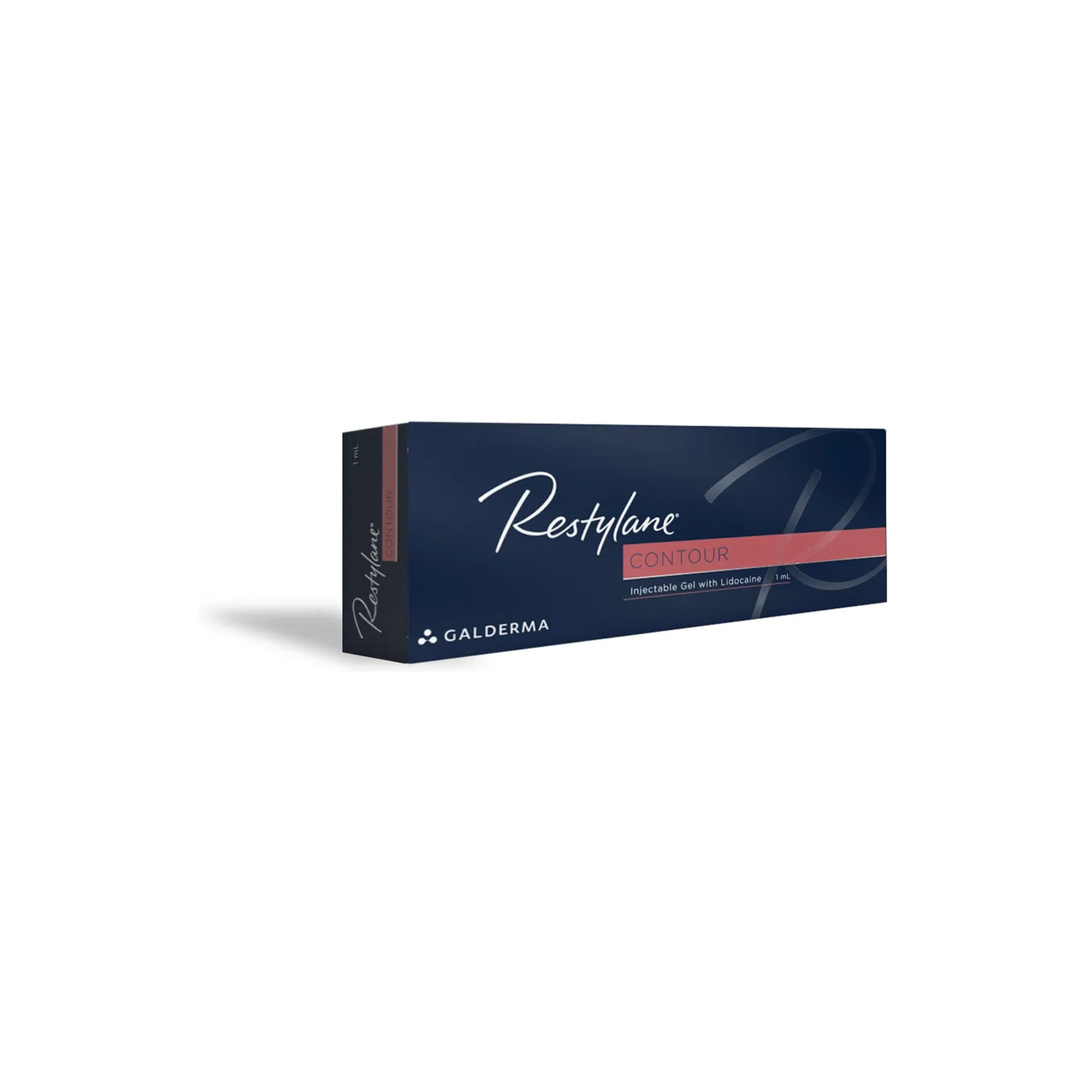
Restylane Contour Lidocaine is a dermal filler for midface volumization and cheek contouring that can last up to 12 months while improving treatment comfort.
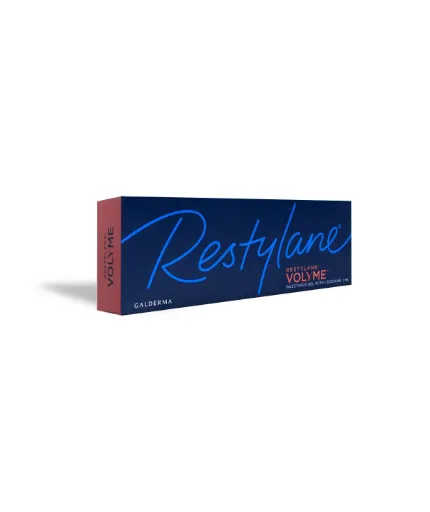
Restylane Contour is the United States (FDA-approved) name for the hyaluronic acid filler sold in Europe as Restylane Volyme — the same product under different regional names. Both use Galderma's XpresHAn Technology, designed to integrate with tissue and support natural facial movement rather than hold rigid structure. It is indicated for cheek augmentation, correction of midface contour deficiencies and temple hollowing. The gel is crosslinked with BDDE and contains lidocaine for patient comfort. Supplied for professional use only.
Restylane Contour Lidocaine is an injectable medical device for administration only by licensed, appropriately trained healthcare practitioners in a controlled clinical setting, and is not for retail sale or self-administration. It is placed supraperiosteally or subcutaneously in the cheek and midface, and supraperiosteally or subdermally in the temple area. The recommended maximum injected volume per patient and treatment session is 6 ml in the cheeks and midface, and up to 3 ml per temple. Cannula injection in the cheeks and midface has been clinically evaluated only with one brand of blunt tip cannula, 25G to 27G and 1.5 or 2 inches in length, and in the temple area only with a 25G, 1.5 inch cannula.
For adult patients assessed as suitable by the treating practitioner. Patient selection, injected volume, plane, and technique follow the practitioner's clinical assessment, with this reference suited to patients wanting restored midface volume that still moves naturally. Because the gel contains lidocaine hydrochloride 3 mg/mL, patients with known hypersensitivity to lidocaine or to amide-type local anaesthetics must not receive it. It is contraindicated in patients with severe allergies manifested by a history of anaphylaxis or a history of multiple severe allergies, in patients with a history of allergy to gram-positive bacterial proteins, since the gel may contain trace amounts of such material, and in patients with bleeding disorders.
Restylane Contour Lidocaine works through hyaluronic acid cross-linked with BDDE into a smooth, flexible gel, which restores volume when placed beneath the skin of the midface while continuing to deform with expression. The flexibility is deliberate: the cheek is a mobile area, so a gel that adapts reads more naturally than one that holds a fixed shape. The lidocaine component reduces discomfort during and after injection and plays no part in the correction.
Allpara offers genuine, verified RESTYLANE products from vetted suppliers, with full batch-traceability and expert support. We serve clinics and aesthetic professionals with CE-certified products, fast EU-wide delivery from our EU warehouse, and competitive trade pricing. Our focus is your patients' safety, satisfaction and results - with dedicated after-sales support for your peace of mind.
Both address the cheeks but with different intent. Contour is a smooth, flexible gel for restoring midface volume while preserving natural movement, and additionally covers temple hollowing. Lyft is a very firm filler for creating structure and projection without volumising. Contour is therefore the choice for volume with mobility, and Lyft for definition and lift; the two are not interchangeable.
Yes. A 27G x 1/2 inch ultra thin wall needle is co-packed, and a blunt tip cannula may be used instead. Cannula injection in the cheeks and midface has been clinically evaluated only with one brand of blunt tip cannula, 25G to 27G and 1.5 or 2 inches in length, and in the temple area only with a 25G, 1.5 inch cannula.
RESTYLANE references stocked by ALLPARA for professional use, sourced direct and certified on every shipment.
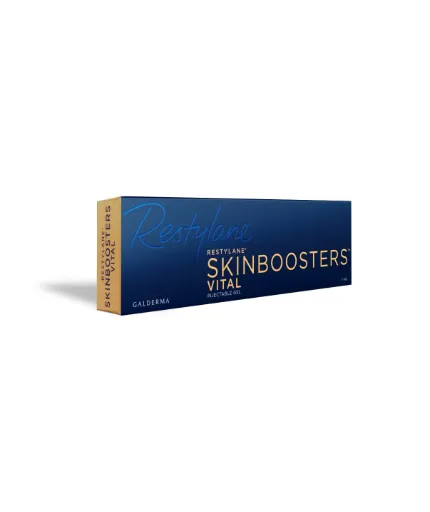
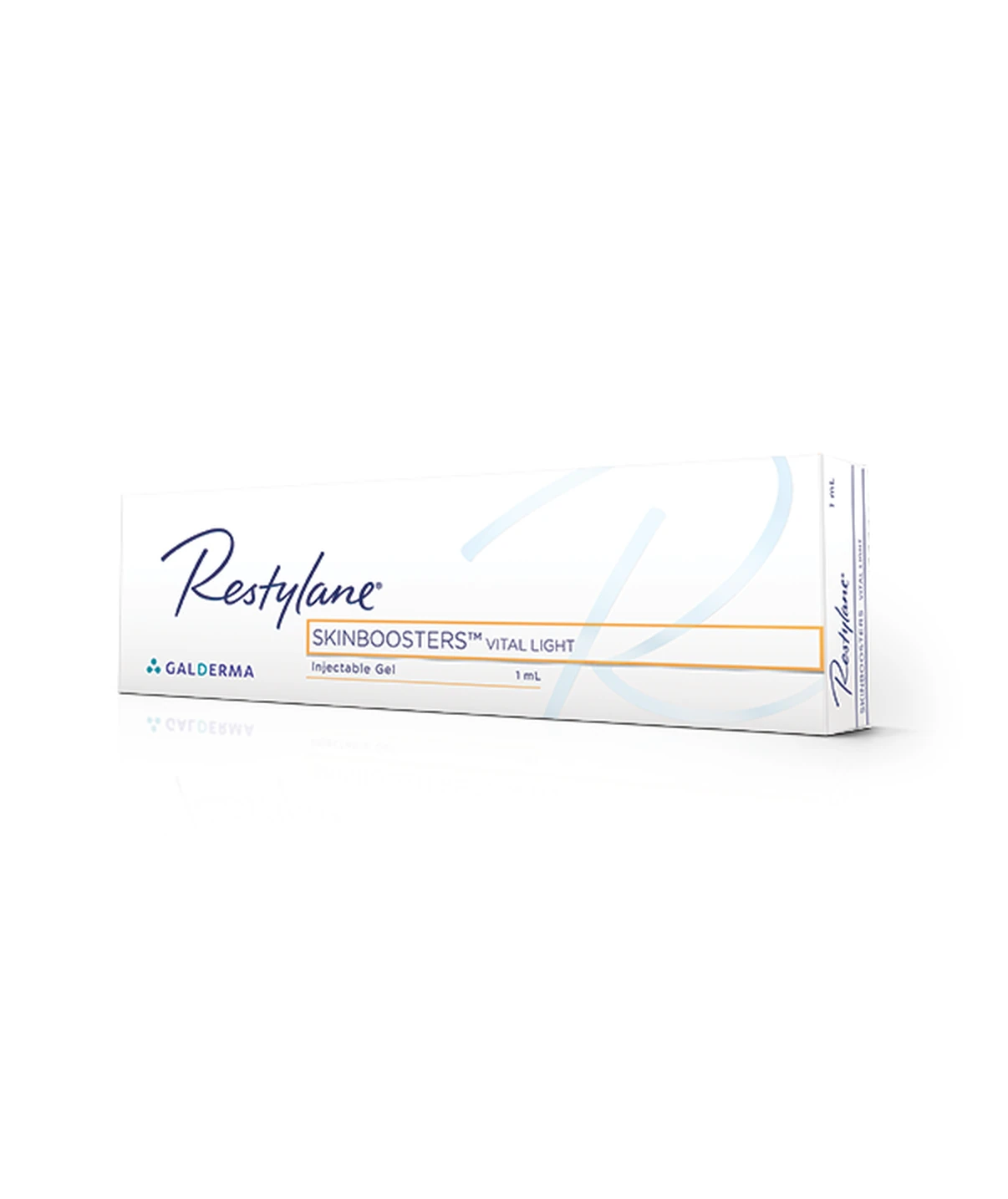
RESTYLANE SKINBOOSTERS references stocked by ALLPARA for professional use, sourced direct and certified on every shipment.
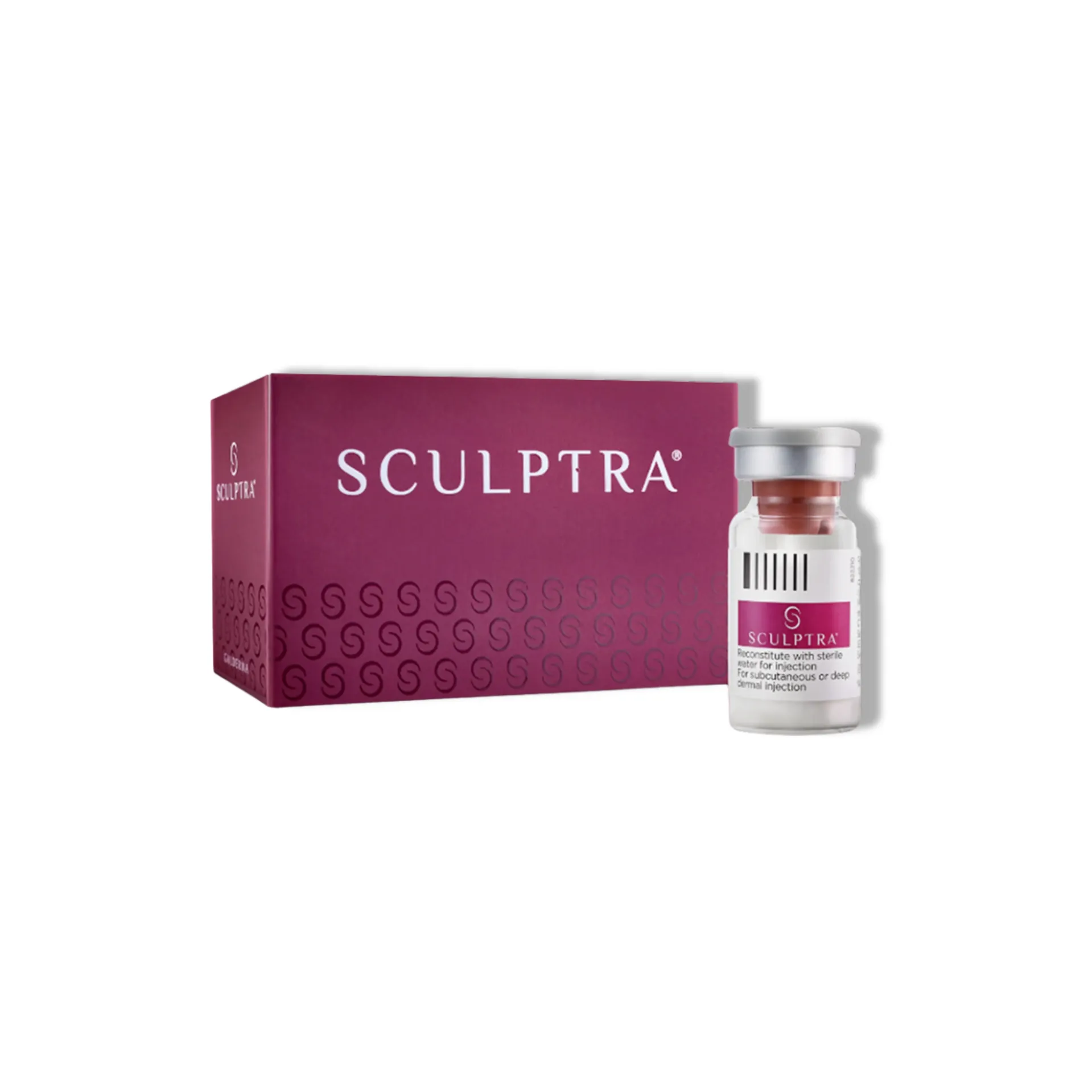
SCULPTRA references stocked by ALLPARA for professional use, sourced direct and certified on every shipment.
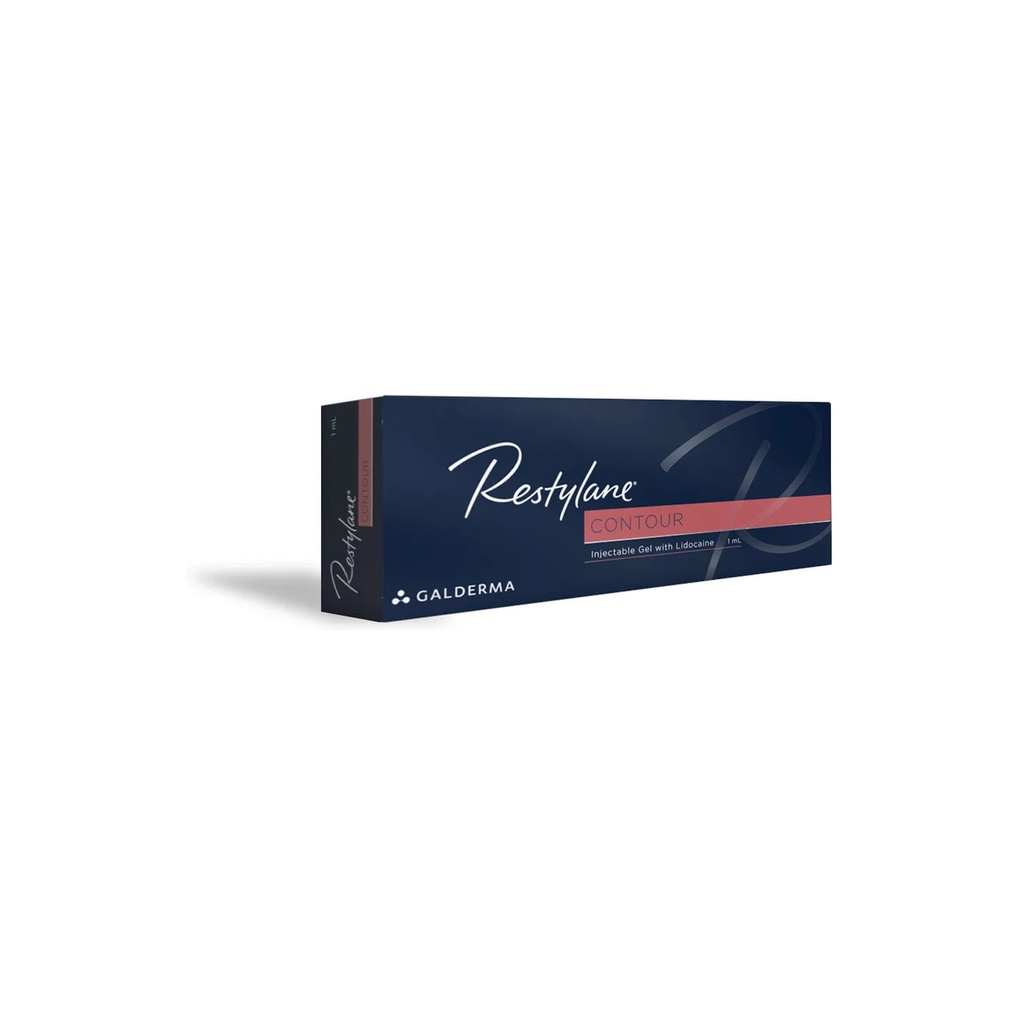
Restylane Contour is the United States (FDA-approved) name for the hyaluronic acid filler sold in Europe as Restylane Volyme — the same product under different regional names. Both use Galderma's XpresHAn Technology, designed to integrate with tissue and support natural facial movement rather than hold rigid structure. It is indicated for cheek augmentation, correction of midface contour deficiencies and temple hollowing. The gel is crosslinked with BDDE and contains lidocaine for patient comfort. Supplied for professional use only.
Restylane Contour Lidocaine is an injectable medical device for administration only by licensed, appropriately trained healthcare practitioners in a controlled clinical setting, and is not for retail sale or self-administration. It is placed supraperiosteally or subcutaneously in the cheek and midface, and supraperiosteally or subdermally in the temple area. The recommended maximum injected volume per patient and treatment session is 6 ml in the cheeks and midface, and up to 3 ml per temple. Cannula injection in the cheeks and midface has been clinically evaluated only with one brand of blunt tip cannula, 25G to 27G and 1.5 or 2 inches in length, and in the temple area only with a 25G, 1.5 inch cannula.
For adult patients assessed as suitable by the treating practitioner. Patient selection, injected volume, plane, and technique follow the practitioner's clinical assessment, with this reference suited to patients wanting restored midface volume that still moves naturally. Because the gel contains lidocaine hydrochloride 3 mg/mL, patients with known hypersensitivity to lidocaine or to amide-type local anaesthetics must not receive it. It is contraindicated in patients with severe allergies manifested by a history of anaphylaxis or a history of multiple severe allergies, in patients with a history of allergy to gram-positive bacterial proteins, since the gel may contain trace amounts of such material, and in patients with bleeding disorders.
Restylane Contour Lidocaine works through hyaluronic acid cross-linked with BDDE into a smooth, flexible gel, which restores volume when placed beneath the skin of the midface while continuing to deform with expression. The flexibility is deliberate: the cheek is a mobile area, so a gel that adapts reads more naturally than one that holds a fixed shape. The lidocaine component reduces discomfort during and after injection and plays no part in the correction.
Allpara offers genuine, verified RESTYLANE products with full batch-traceability, CE-certified stock, fast EU-wide delivery and expert after-sales support.
Both address the cheeks but with different intent. Contour is a smooth, flexible gel for restoring midface volume while preserving natural movement, and additionally covers temple hollowing. Lyft is a very firm filler for creating structure and projection without volumising. Contour is therefore the choice for volume with mobility, and Lyft for definition and lift; the two are not interchangeable.
Yes. A 27G x 1/2 inch ultra thin wall needle is co-packed, and a blunt tip cannula may be used instead. Cannula injection in the cheeks and midface has been clinically evaluated only with one brand of blunt tip cannula, 25G to 27G and 1.5 or 2 inches in length, and in the temple area only with a 25G, 1.5 inch cannula.
 Skin Boosters
 Collagen Stimulators